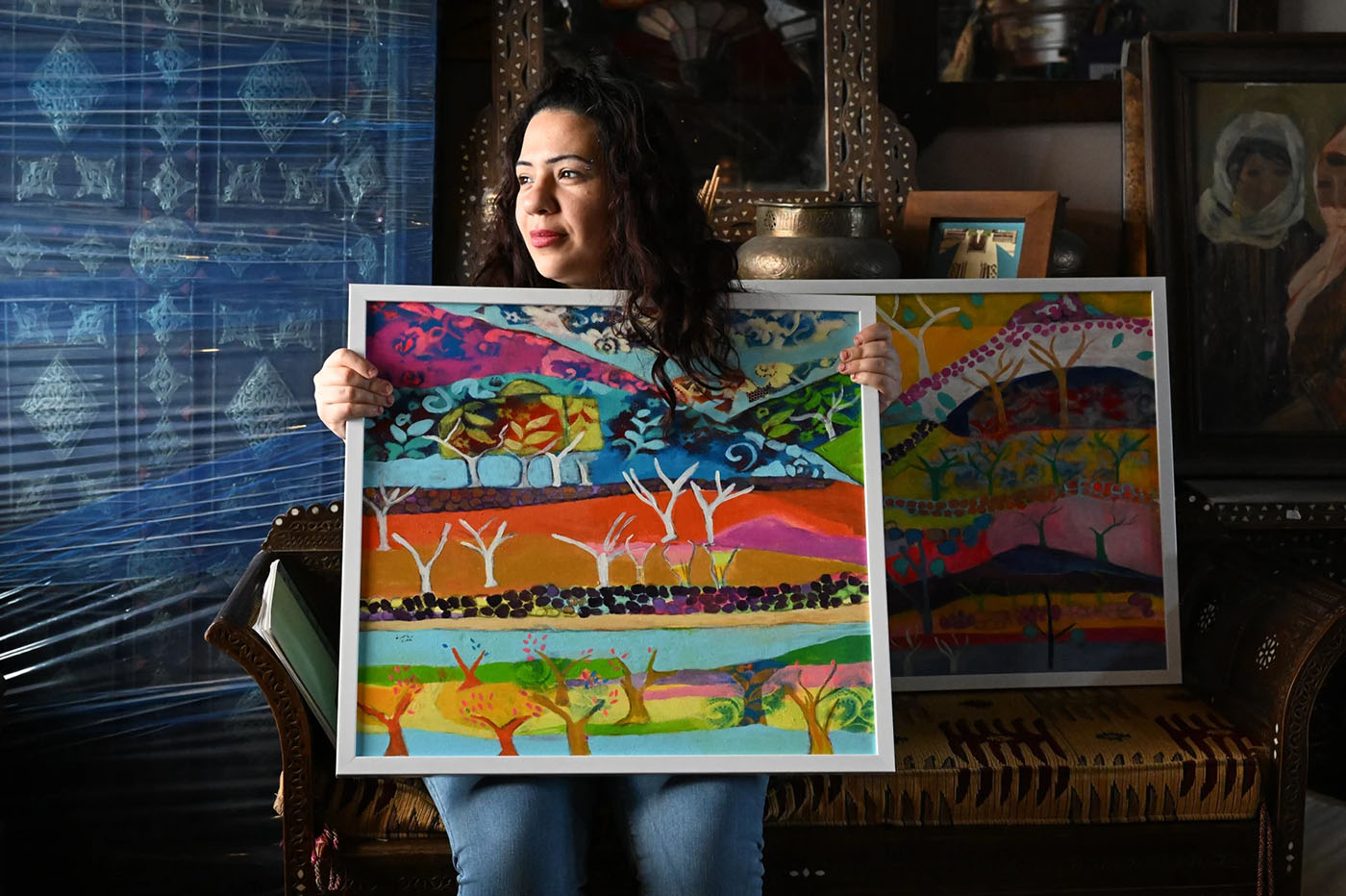
It was a pleasure to contribute three pieces to the new issue of HADARA, a very stylish and elegant magazine from the Gulf. I wrote a piece on the Islamic Biennale, I spoke with the design studio Karim+Elias, and investigated the work of the young promising artist Mariem Abu Taleb.
You’ll find the magazine in newstands and the pieces online here.
Across Paris, contemporary Vietnamese artists have also been making their presence felt, represented by galleries such as Galerie BAO and A2Z Art Gallery and showing at art fairs like Asia Now (Europe’s only fair focused on Asian artists). Taken together, these various presentations point towards a cultural conversation between the two countries that stretches back to colonial times.
I have written a piece on Vietnamese art during the Paris Art Week for Plural Art Mag.
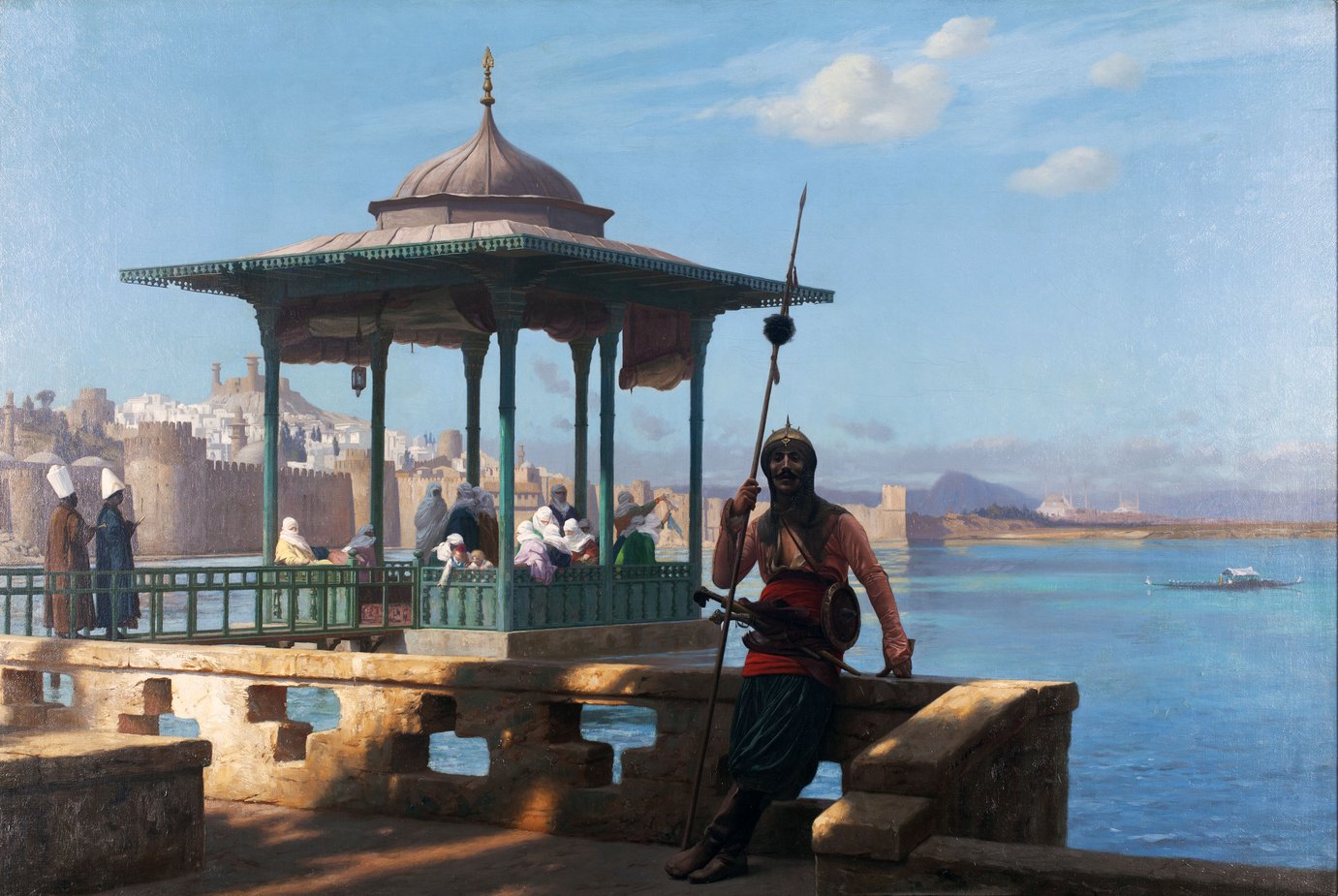
My second article for the Art Newspaper France is “Gérôme in Qatar: an updated look at Orientalism.”
With the exhibition “Seeing is Believing: The Art and Influence of Gérôme” at the Mathaf – Arab Museum of Modern Art in Doha, Qatar is positioning itself as the bridgehead for a new chapter in the history of Orientalism.
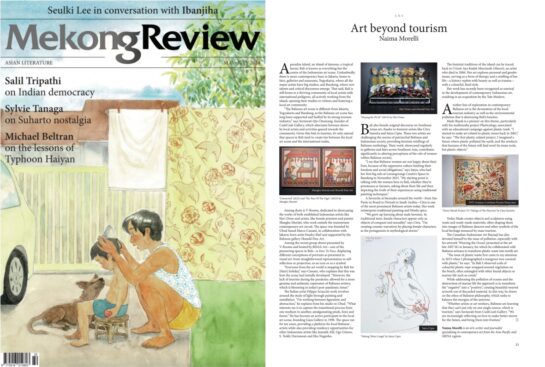
It’s always good to be published on paper! My latest piece for the literary magazine Mekong Review is a piece on contemporary art in Bali beyond tourism, featuring Satya Cipta, Marco Cassani, Citra Sasmita, CushCush Gallery and more.
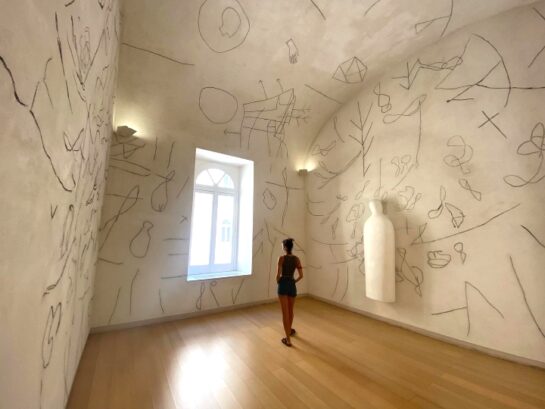
For Palestinian artist Rana Samara, intimacy is not just about love and sex, but is rather a mixture of connection, comfort and feeling at home, as her latest exhibition at Zawyeh Gallery in Dubai in 2022, Inner Sanctuary, aptly demonstrated. I spoke with her for The Markaz Review.
Finally we are in that part of the year where we start looking back and planning for the future. As everyone who has been around me lately knows too well, this year I went all in into the reviewing and the planning. Never was I so serious about it – I guess because it’s so much fun for me!
The reflecting phase started already from the 1st of December. I had just came back from a swirlwind of trips in end of October beginning of November – Paris, Budapest, Abu Dhabi and Riyadh literally one after the other – and even had to say no to two more, very enticing press trips to Khazakistan and Qatar. But I was exausted. I had to stop and digest all my experiences. So as soon as I put my suitcase on the parquet of my home in Pigneto, Rome, I de-installed the social media from my phone, and decided to go full into the reviewing/planning process.
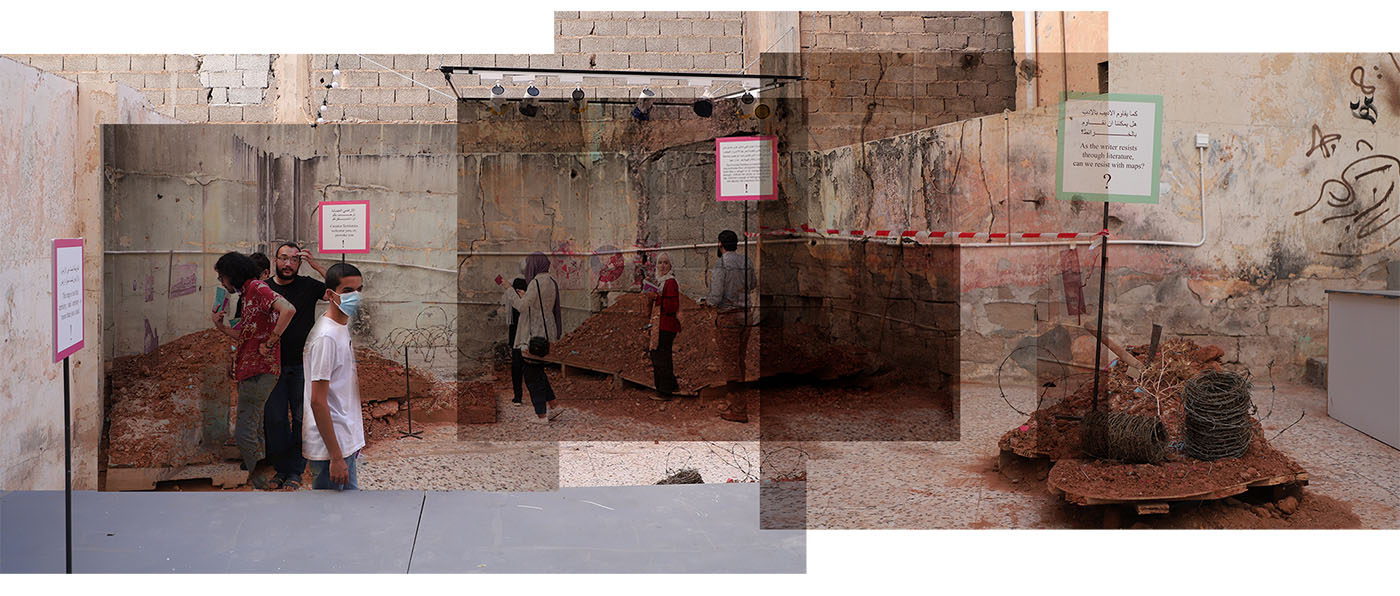
For architect and artist Sarri Elfaitouri, starting from scratch in Benghazi is an existential necessity. After the March 2023 demolition of the city’s historical center, he reflects on urbanism, social reforms, and the legacy of colonialism in Libya.
I have interview Elfaitouri for The Markaz Review.
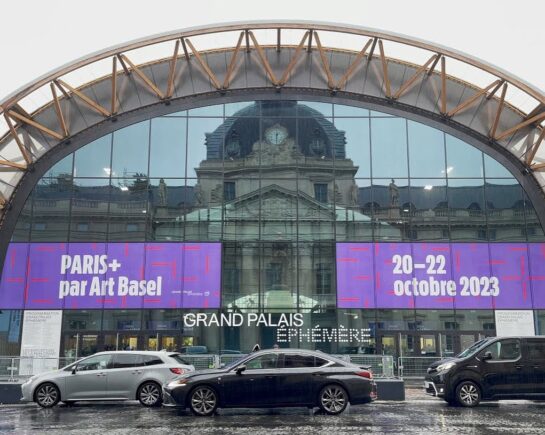
I wrote an article for The New Arab about the Paris Art Week. Unquestionably one of the most important art events in Europe this year, the Paris Art Week, happened from 16 to 22 October.
Given the international climate, what was expected was for shows and art fairs to have an emphasis on the situation in Gaza, but this was not the case.
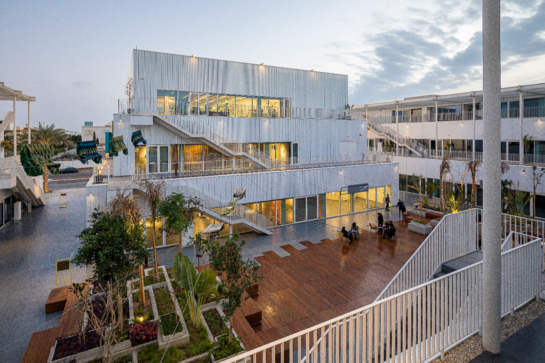
Beyond its historical district, Jeddah is home to a variety of contemporary art spaces. Not only are these spaces celebrating the work of Saudi artists and developing a creative community locally, but they’re also engaging with trends in the international art world.
I wrote a list of the most interesting galleries in town for the travel magazine Wanderlust.
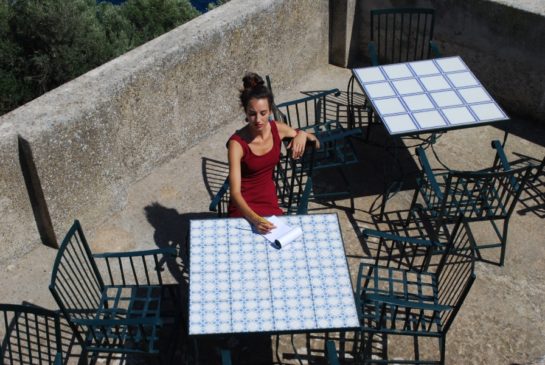
It has been such a long time since I last indulged in some personal reflections on this blog, and let you readers know what’s up with my life and my different practices. I felt it was high time, so I have started writing this personal essay on the train ride from Naples to Venice, and I have finished it in my hometown Sorrento, in preparation for being back in my turf, Rome.
The train journey from Naples to Venice was six hours, which I usually spend reading, listening to music, podcasts, and calling friends sometimes. But six hours of uninterrupted trip, crossing Italy from South to North, are a gift of sorts. You are launched at full speed in a beautiful landscape, there is movement and stillness, a precious time to gather your thoughts, in preparation for a fresh start. A time for aimless pleasure, for allowing reflections to form. What will come will be the time for activity, and both the leisure – the otium of the Romans – and the action-filled, execution part, need to be appreciated fully. If you train your sensitivity, you’ll know when and how to flow from one state to another. This is ultimately the sense I’ve been sharpening these past few months.
In this video Indonesian artist Eddy Susanto talks about his work for his solo show in Venice. Called “Allegory of Hell, from Borobudur to Dante from July 28th to September 4th at GAD, Giudecca Art District. The exhibition was sponsored by Artsociates, and I co-curated it with Valentina Levy.
What a pleasure to chat with Joana Alarcão from Insights of an Eco Artist podcast. The first part was released a few weeks ago, and now the second part is out!
Naima Morelli is an arts writer and journalist specialized in contemporary art from Asia-Pacific and the MENA region.
She has written for the Financial Times, Al-Jazeera, The Art Newspaper, ArtAsiaPacific, Internazionale and Il Manifesto, among others, and she is a regular contributor to Plural Art Mag, Middle East Monitor and Middle East Eye as well as writing curatorial texts for galleries.
She is the author of three books on Southeast Asian contemporary art.