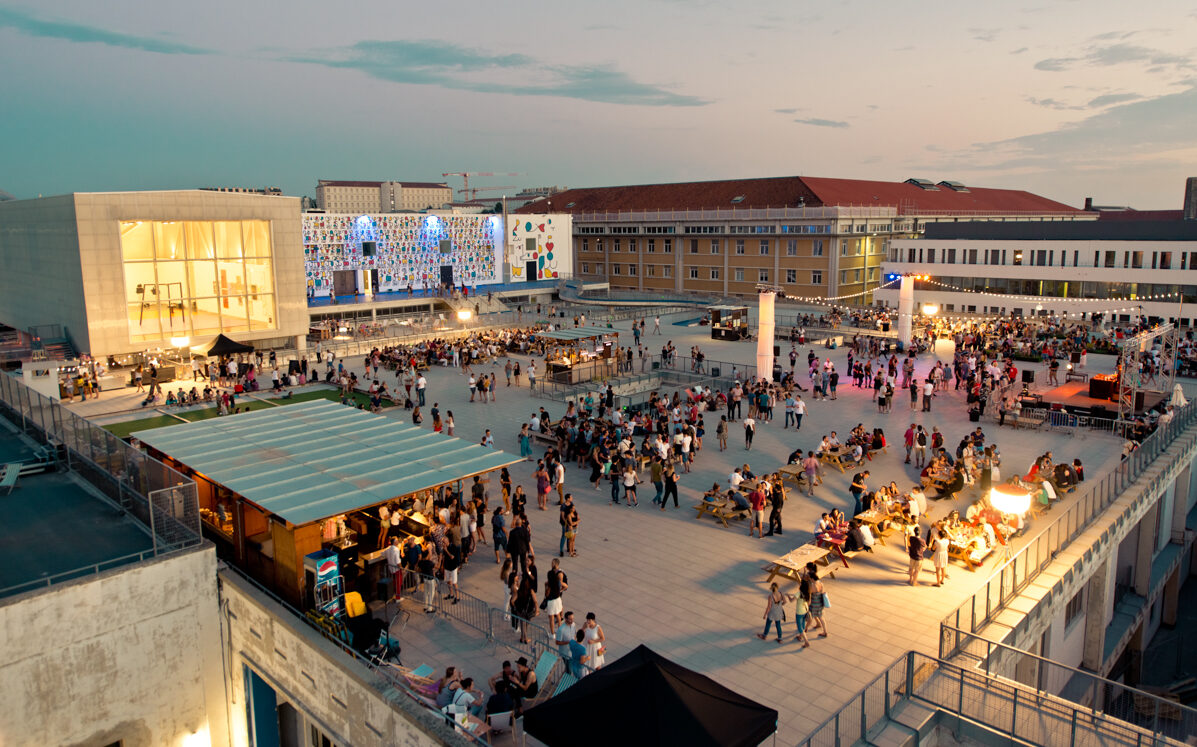
The 2025 Helsinki Biennial delivers in the sense that it unfolds in the moment and strives for harmony, but do we really want art to affect us so imperceptibly that it’s ultimately like nothing ever happened?
I wrote my review of the Biennial for the Observer.
To take a snapshot of the magmatic undercurrent in Istanbul’s art scene, I examined the city’s subterranean energies through a gallery show, an art fair, and a museum retrospective. The story is for The Markaz Review.
Beyond its commercial ambitions, the inaugural edition of VIMA art fair carved out space to consider Cyprus’ complex geopolitical position. I wrote a report on the fair for the Observer.
From art fairs to vibrant galleries, Marrakech is becoming a top spot for contemporary African art, bringing together local talent and global influences. I wrote this article on the local art scene for The New Arab.
Small but well-curated, the 1/54 art fair in Marrakech aims to be the gateway for African art, while fostering the local Moroccan art scene. I have reported on the event for Middle East Monitor.
We really don’t want to hear yet another mouth uttering the old and weary truism: “In order to know where we are going, we need to know where we come from.”
But can we even look at Massinissa Selmani’s videos, drawings, and photos in his exhibition 1000 VILLAGES—dedicated to the story of his own country Algeria and currently on exhibition at Index Foundation in Stockholm—without having this truism resounding in our ears like blaring evidence? We might as well cover our mouths.
I have spoken with the artist for FLAUNT Magazine.
There’s nothing quite like a biennale to help us take stock of the art world — not just artistic trends, but also the currents of thought flowing through culture at large. And 2024 has given us plenty of international biennales to do just that.
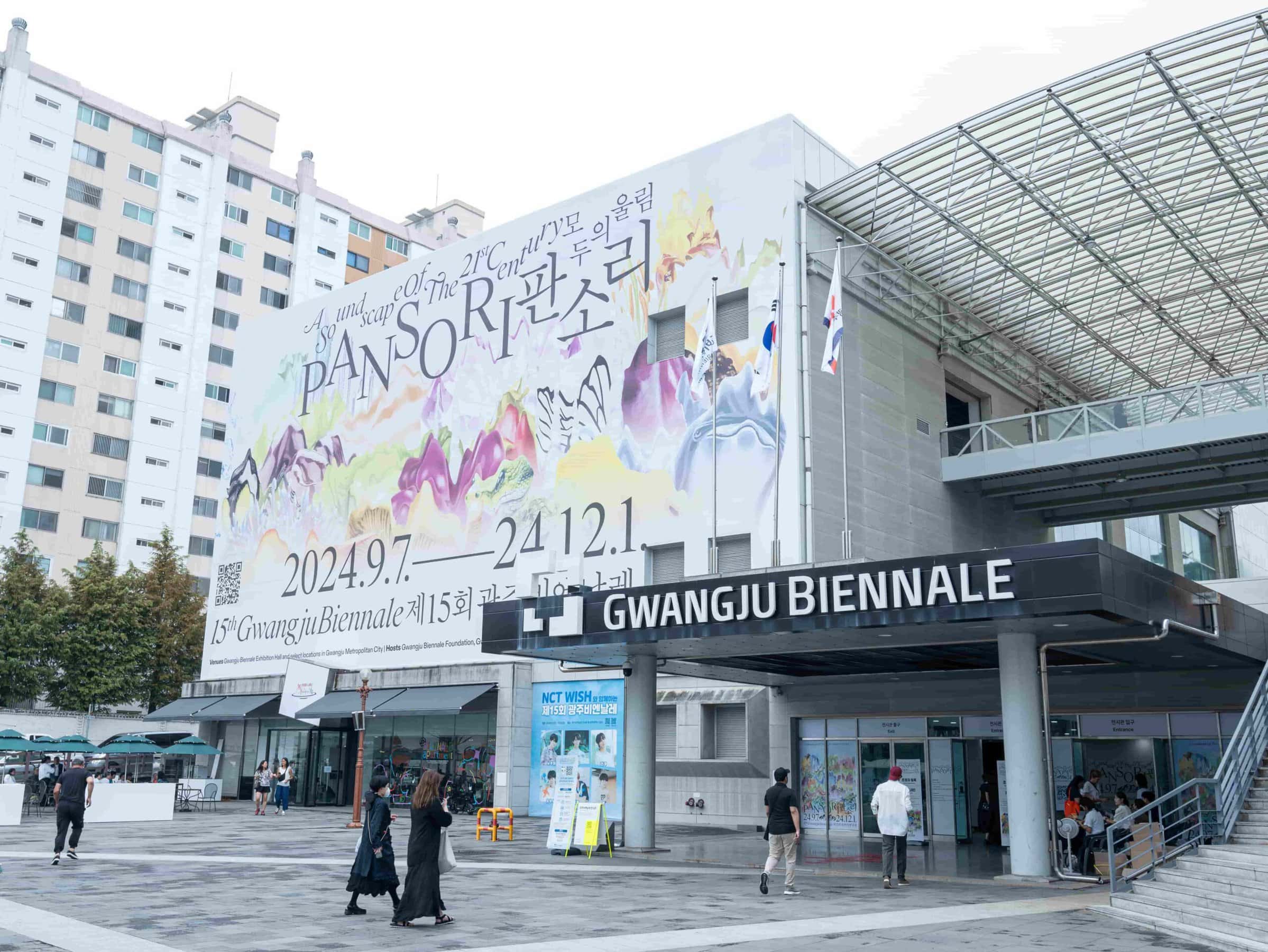
In the West, the Venice Biennale dominates the cultural conversation. But in Asia, two South Korean biennales serve as litmus tests for the state of contemporary Asian art.
The first takes place in the city of Gwangju and is considered — rather hyperbolically — the Venice Biennale of Asia. The second is the Busan Biennale (originally called the Busan Youth Biennale), which these days is open to both young and not-so-young artists.
This summer I visited for the first time Marseille, to do a little research on the comic book scene there. I have found an incredible lively scene, which provided me with many insights about art, life, and how a community comes together around shared values.
I wrote the piece in Italian for the webmagazine Art a Part of Culture.
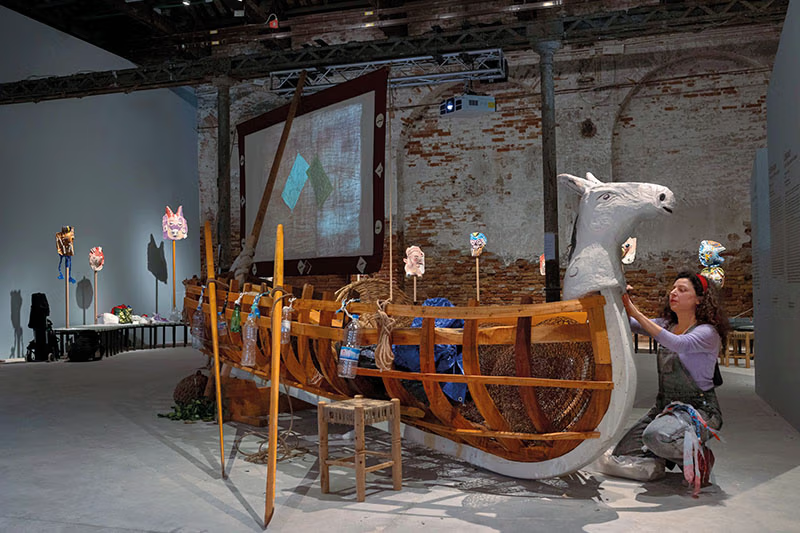
Being a foreigner is more than a state of mind. It is a state of the soul. The foreigner’s journey can be painful or enriching. Often it is both, as illustrated by a number of Arab artists at the 60th International Art Exhibition in Venice, which continues through November 24.
Stranieri Ovunque, or Foreigners Everywhere, the theme of the Biennale chosen by curator Adriano Pedrosa, subverts the linear Western art trajectory by bringing outsider narratives to the forefront. The theme allows for explorations of identity, ethnicity, gender and belonging.
My new article for the Financia Times is about a new breed of Korean collectors, the so-called Generation MZ, a terms tha stands for millennials and Gen-Z.
They are focused on works under $50,000, either buying with family money or their own entrepreneurial cash, including at the upcoming Frieze and Kiaf fairs.
I have been interested in Libyan art, culture, and literature – as well as its relationship with its Italian colonial past – for a few years now. And every time I look at this country through a different facet, there is so much to discover.
This time I looked at the erasure of the colonial architectural heritage in Benghazi and Tripoli, gathering different viewpoints from Libyans, and their memories attached to these buildings.
I wrote the story for Al-Jazeera, with the title “Cultural treasure or painful reminder? Libya’s colonial architecture.”
Naima Morelli is an arts writer and journalist specialized in contemporary art from Asia-Pacific and the MENA region.
She has written for the Financial Times, Al-Jazeera, The Art Newspaper, ArtAsiaPacific, Internazionale and Il Manifesto, among others, and she is a regular contributor to Plural Art Mag, Middle East Monitor and Middle East Eye as well as writing curatorial texts for galleries.
She is the author of three books on Southeast Asian contemporary art.



![1-54 Marrakech 2025. [Courtesy Mohamed Lakhdar]](https://i0.wp.com/www.middleeastmonitor.com/wp-content/uploads/2025/02/MLR57810.jpg?fit=1200%2C800&ssl=1)