The 2025 Helsinki Biennial delivers in the sense that it unfolds in the moment and strives for harmony, but do we really want art to affect us so imperceptibly that it’s ultimately like nothing ever happened?
I wrote my review of the Biennial for the Observer.
To take a snapshot of the magmatic undercurrent in Istanbul’s art scene, I examined the city’s subterranean energies through a gallery show, an art fair, and a museum retrospective. The story is for The Markaz Review.
Beyond its commercial ambitions, the inaugural edition of VIMA art fair carved out space to consider Cyprus’ complex geopolitical position. I wrote a report on the fair for the Observer.
As I walked to the museum in the southern French city, some graffiti on a restaurant shutter caught my eye: “If a place attracts you, it’s because there is something waiting for you, and your story there has already been written.”
These words stuck with me as I turned the corner and the incredible MUCEM building stood before me, epic in shape and location, silhouetted against the cloudy sky, seemingly suspended on the sea.
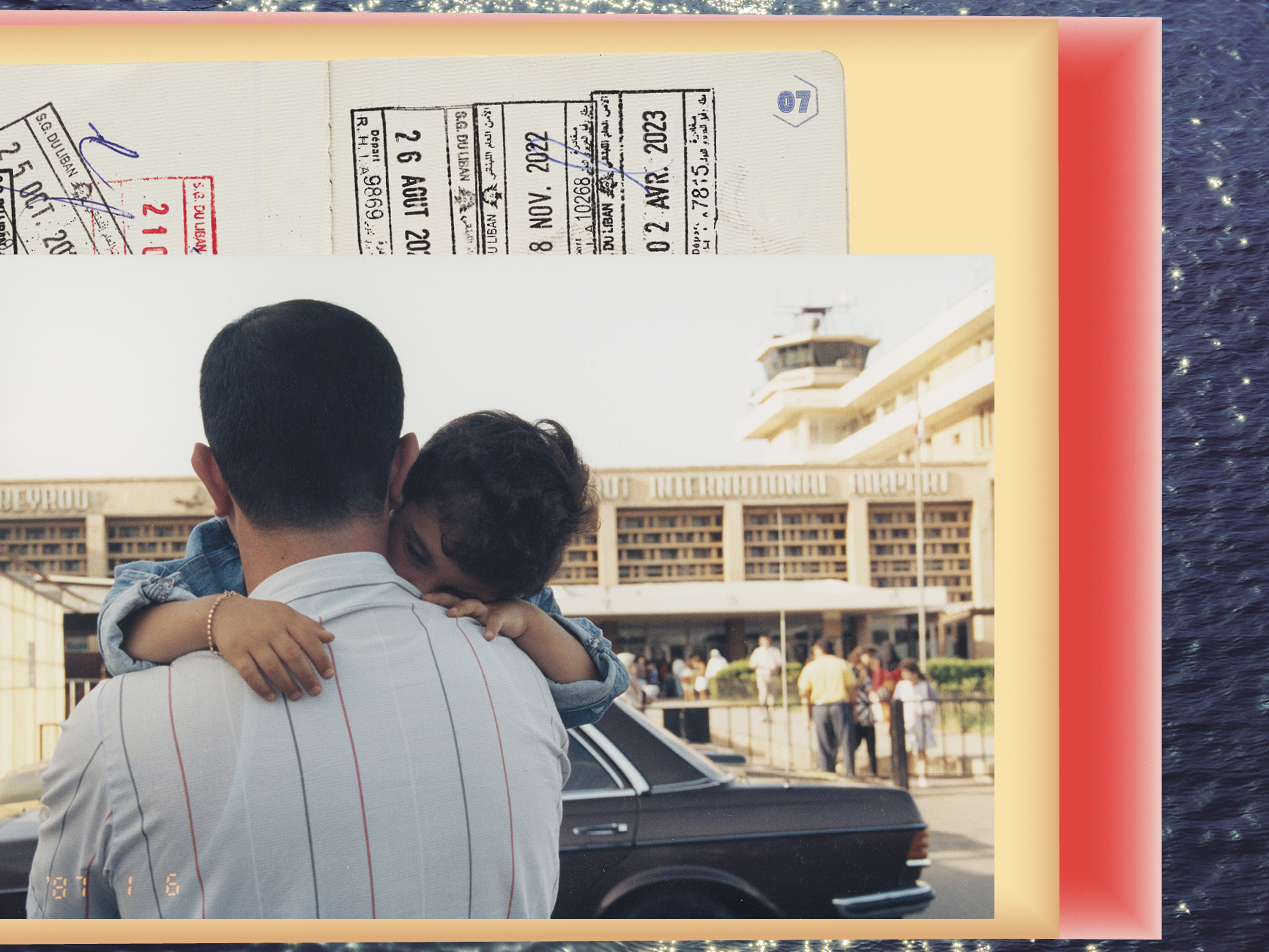
“Revenir” focuses on the idea of home, travel and returning. This is not only the scope of the show, but the wider project of the museum, which is dedicated to Mediterranean cultures, especially to that very specific blend for which this city port is renowned.
Running until 16 March at the Museum of European and Mediterranean Civilisations (MUCEM) in Marseille, the exhibition “Revenir” (“Return”) invites visitors to explore the experiences of returning to one’s homeland.
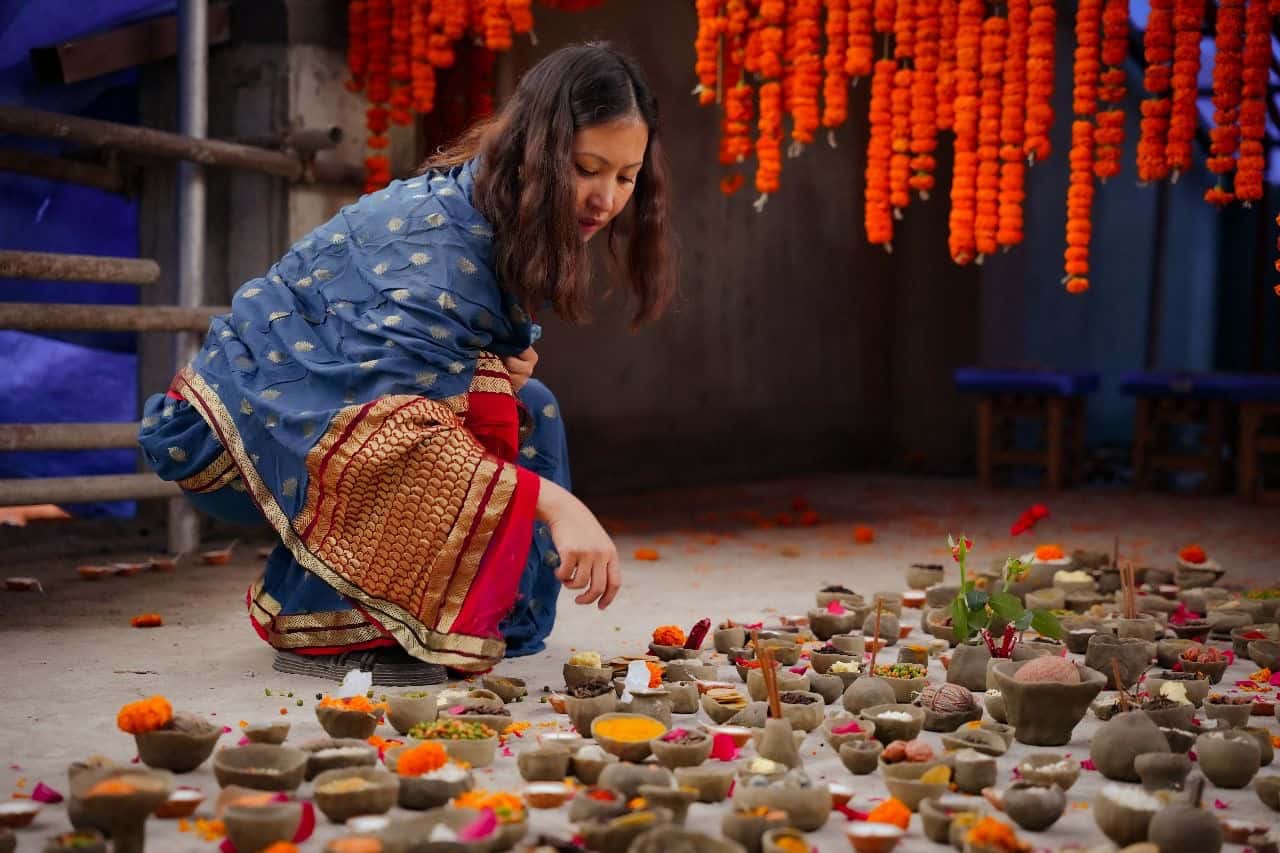
Small but well-curated, the 1/54 art fair in Marrakech aims to be the gateway for African art, while fostering the local Moroccan art scene. I have reported on the event for Middle East Monitor.
We really don’t want to hear yet another mouth uttering the old and weary truism: “In order to know where we are going, we need to know where we come from.”
But can we even look at Massinissa Selmani’s videos, drawings, and photos in his exhibition 1000 VILLAGES—dedicated to the story of his own country Algeria and currently on exhibition at Index Foundation in Stockholm—without having this truism resounding in our ears like blaring evidence? We might as well cover our mouths.
I have spoken with the artist for FLAUNT Magazine.
For the historically underrepresented Central Asian art market, smaller fairs represent today an important alley, more than the big fairs such as Art Basel – which just had its second Paris iteration this October. “Boutique fairs,” as they are called, often present curated programming which allow a wide public – not just collectors and buyers – to enjoy the art as it was an exhibition. A selling one, of course.
In Paris, the most relevant fair which has historically presented Central Asian artists to the European public is called Asia Now, and it took place in Paris from October 17 to 20. Entirely dedicated to Asian art, the fair has historically tried to fill the gap for Central Asian art in the European market in the past ten years of its existence.
We’ve all heard the joke about art lovers who don’t necessarily celebrate Christmas and Easter, but they definitely celebrate Frieze and Art Basel. This ritualistic aspect of the art world hasn’t escaped Asia NOW, whose tenth anniversary show is aptly titled ‘Ceremony’.
Guided by the ethos of positioning itself not just as another art fair, but as a curated platform presenting Asia to a European audience, Asia NOW has chosen the artistic direction of Radicants, the curatorial cooperative founded by Nicolas Bourriaud, for its main exhibition.
I have written about it for The Art Newspaper France.
My latest piece about Seoul for an Italian architecture and design magazine I started collaborating with, called IFDM design. The piece is about architecture, heritage, the coolest neighbourhoods and best spaces for art in the Korean capital.
The Kazakh pavilion “Jerūiyq: Journey Beyond the Horizon” at the 60th International Art Exhibition of the Venice Biennale, from April 20 to November 24, represents a major milestone in changing perceptions of Kazakh art.
Staged in the Naval Historical Museum, the exhibition reinterprets the ancient legend of Jerūiyq, drawing inspiration from Kazakh myths and the visionary journey of the 15th-century philosopher Asan Kaigy.
I have interviewed the Pavillion’s curator Anvar Musrepov for The Times of Central Asia.
The Italian newspaper Il manifesto has just published two pieces of mine. One is an article reflecting back on the art week and the art marketin Hong Kong, the second is an interview with artist Kingsley Ng who did a commission for the façade of the Peninsula Hotel in Hong Kong.
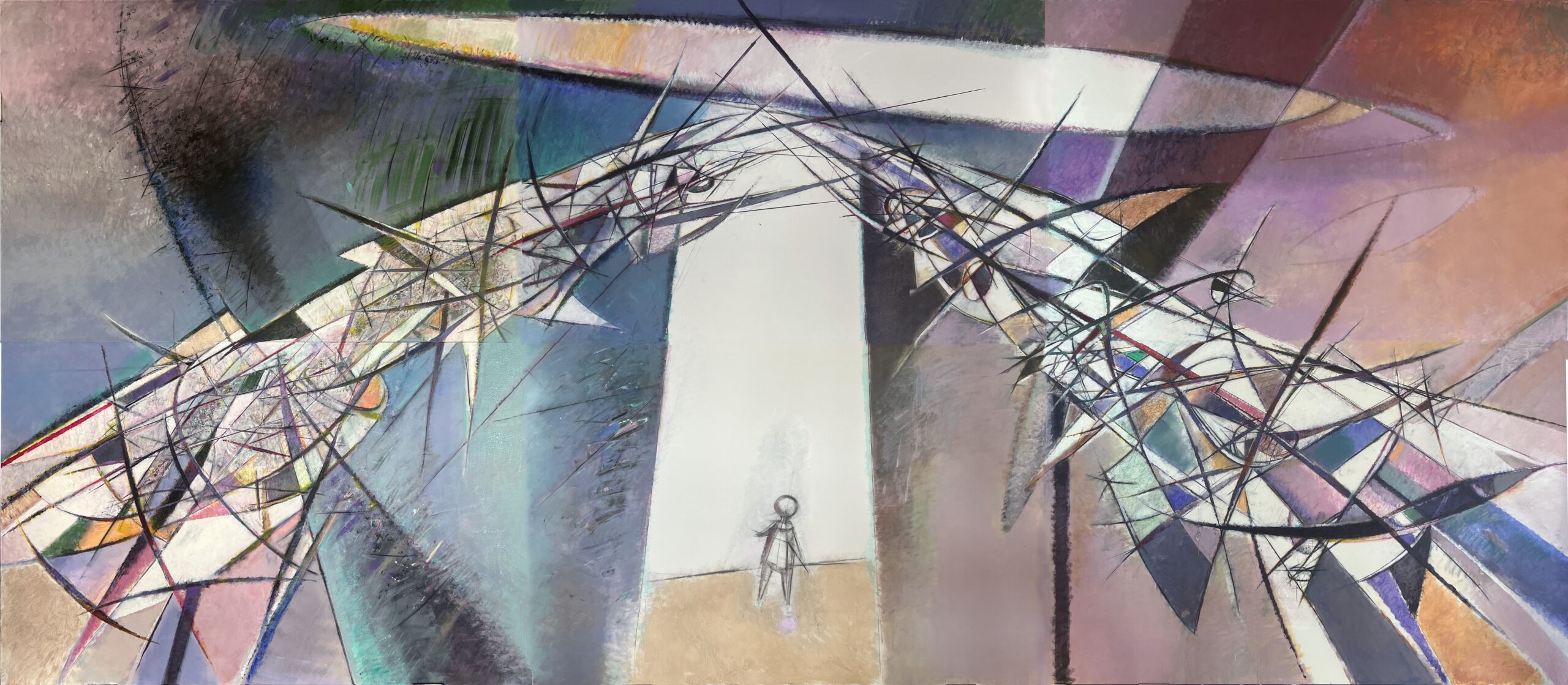
My first report from Venice. Besides the controversy around the closed Israeli Pavilion, in this article for Middle East Monitor I look at three shows representing different facets of Palestine at the 2024 Venice Biennale
Naima Morelli is an arts writer and journalist specialized in contemporary art from Asia-Pacific and the MENA region.
She has written for the Financial Times, Al-Jazeera, The Art Newspaper, ArtAsiaPacific, Internazionale and Il Manifesto, among others, and she is a regular contributor to Plural Art Mag, Middle East Monitor and Middle East Eye as well as writing curatorial texts for galleries.
She is the author of three books on Southeast Asian contemporary art.


![1-54 Marrakech 2025. [Courtesy Mohamed Lakhdar]](https://i0.wp.com/www.middleeastmonitor.com/wp-content/uploads/2025/02/MLR57810.jpg?fit=1200%2C800&ssl=1)



![The "South West Bank" show at Palazzo Mora [Naima Morelli]](https://i0.wp.com/www.middleeastmonitor.com/wp-content/uploads/2024/04/IMG_3287.jpg?fit=1067%2C800&ssl=1)


