
In her work, currently on show both in Athens and at the Venice Biennale, Moroccan Artist Bouchra Khalili highlights the power of storytelling for the disenfranchised subjects of history.
Here is the link to the article
Read MoreIn her work, currently on show both in Athens and at the Venice Biennale, Moroccan Artist Bouchra Khalili highlights the power of storytelling for the disenfranchised subjects of history.
Here is the link to the article
Read More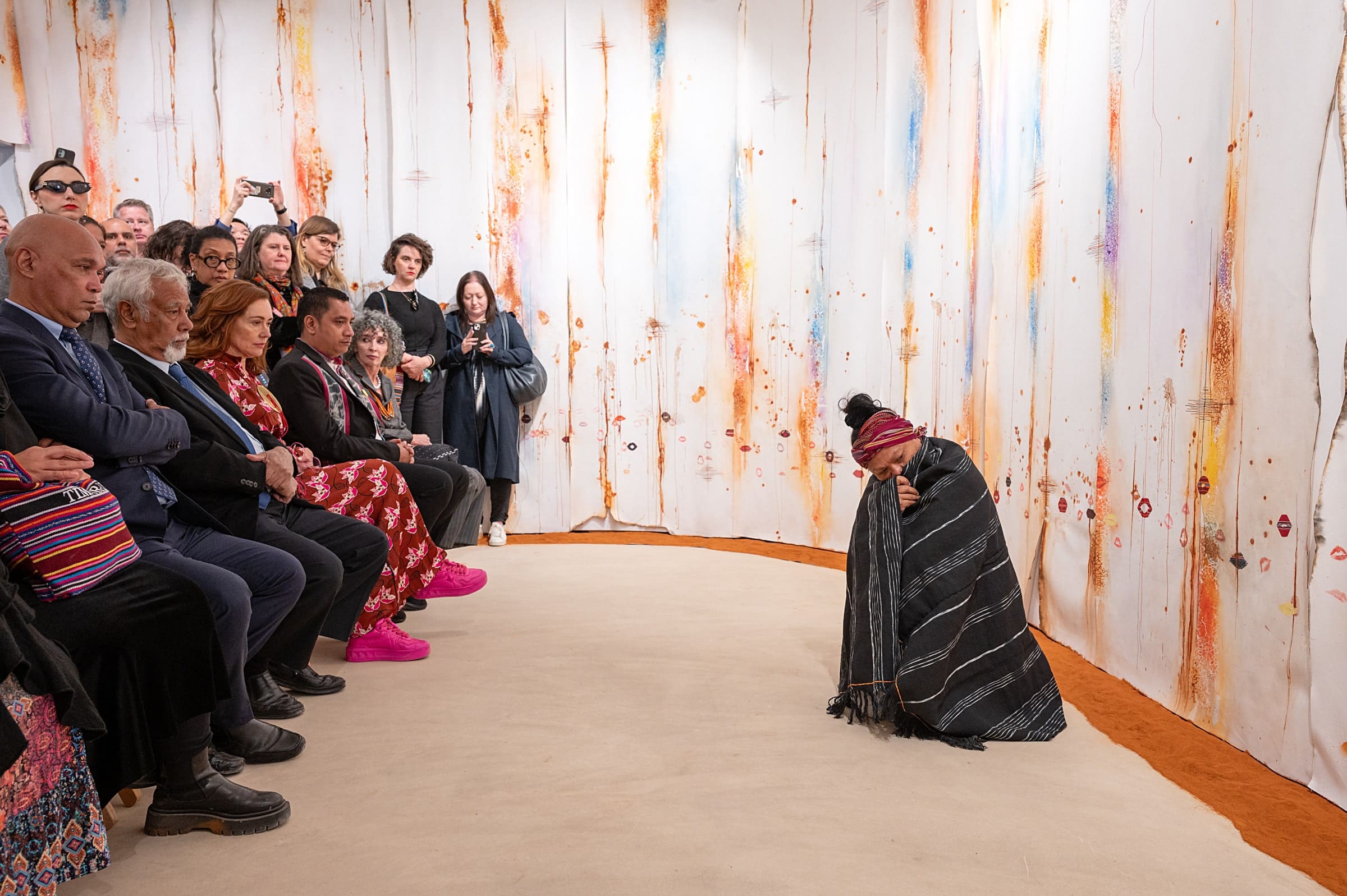
I have interview artist Maria Madeira and reviewed “Kiss and Don’t Tell,” Timor-Leste’s inaugural pavilion at the Venice Biennale for Plural Art Mag.
The show amalgamates Timorese traditions, personal narratives of displacement, and universal struggles for identity.
Here is the link to the article
Read More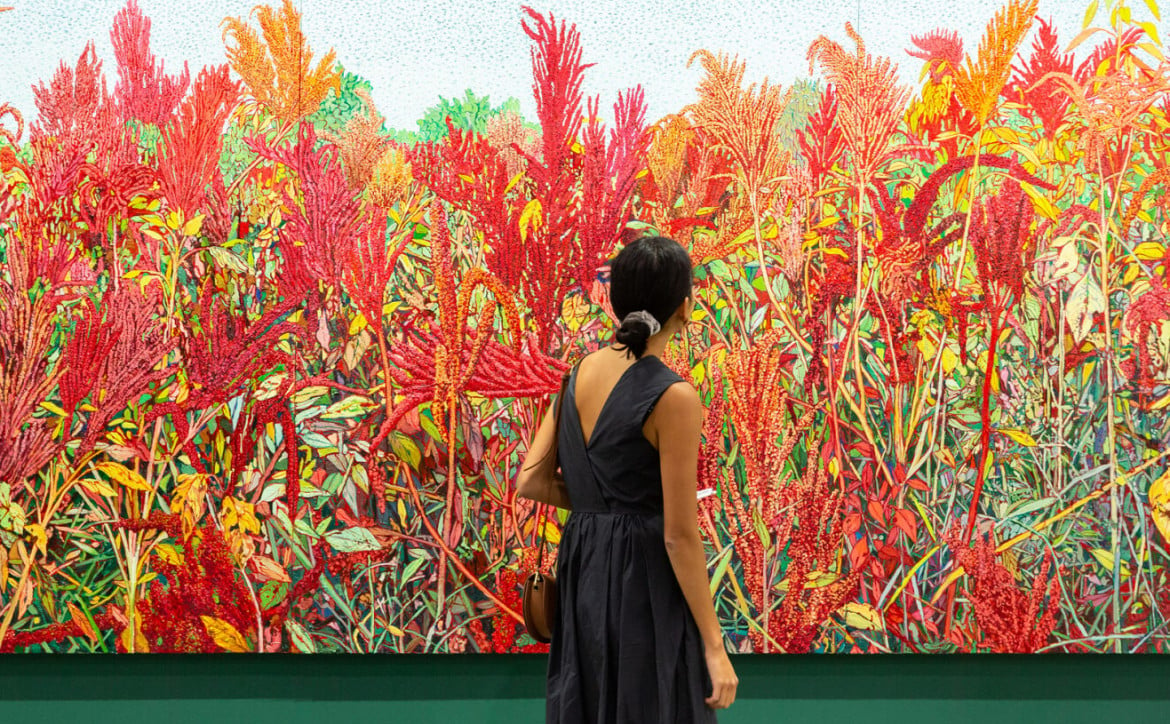
The Italian newspaper Il manifesto has just published two pieces of mine. One is an article reflecting back on the art week and the art marketin Hong Kong, the second is an interview with artist Kingsley Ng who did a commission for the façade of the Peninsula Hotel in Hong Kong.
Here is the link to the article
Read More![The "South West Bank" show at Palazzo Mora [Naima Morelli]](https://i0.wp.com/www.middleeastmonitor.com/wp-content/uploads/2024/04/IMG_3287.jpg?fit=1067%2C800&ssl=1)
My first report from Venice. Besides the controversy around the closed Israeli Pavilion, in this article for Middle East Monitor I look at three shows representing different facets of Palestine at the 2024 Venice Biennale
Here is the link to the article
Read More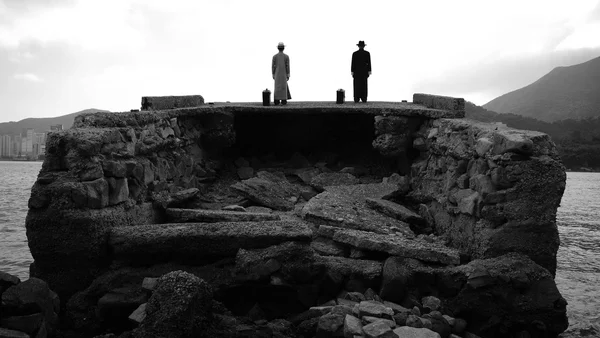
A new byline and – most importantly – some news from the Hong Kong Art Week. I’m writing for Italian newspaper Il Sole 24Ore about a new commission by artist Yang Fudong, who will screen new work on the façade of the M+ museum.
Here is the link to the article
Read More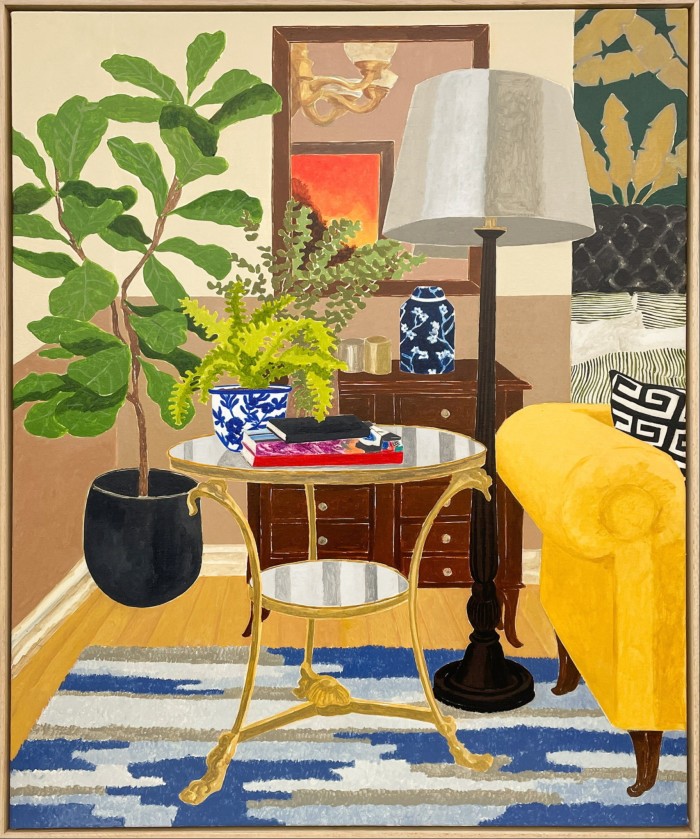
As Hong Kong is gearing up for its art week, I have spoken with collectors and gallerists for the Financial Times to see how the art market is a bit more fragmented than it used to be.
Here is the link to the article
![Mathaf: Arab Museum of Modern Art in Doha [Naima Morelli]](https://i0.wp.com/www.middleeastmonitor.com/wp-content/uploads/2024/03/030941cf4fa69dd0-photo.jpg?fit=1067%2C800&ssl=1)
With shows that range from political stances to introspective research, Doha’s Mathaf: Arab Museum of Modern Art proves itself to be one of the most authoritative voices for Arab narratives and the Global South in art.
Here is the link to the article
Read More![Faisal Saleh, founder of Palestinian Museum, speaks during the inauguration of the facility in Woodbridge, Connecticut, April 22, 2018. [HECTOR RETAMAL/AFP via Getty Images]](https://i0.wp.com/www.middleeastmonitor.com/wp-content/uploads/2024/02/GettyImages-950084052.jpg?fit=1200%2C799&ssl=1)
“A few months ago, the director of the Palestine Museum US, Faisal Saleh, was in a room in Venice with members of the commission for the 2024 Venice Art Biennale. They tried to explain to him why his proposal for a collateral exhibition of Palestinian artists was rejected.
Saleh is not only Palestinian, but also very American in his ethos. So, he told me, when the Biennale spokesperson tried to convince him that art and politics have to be kept separate, he didn’t hesitate to tell them, ‘Well, I may not be as much of an expert on art as you are, but I do know that politics and art are intertwined. You can’t really separate one from the other.’ “
Faisal Saleh, director of the Palestine Museum US has started a petition to have a Palestinian-only collateral show at the Venice Biennale 2024. I spoke with him for Middle East Monitor.
Here is the link to the interview
Read More
“I see the beauty in many places, many times, and I have always wanted to interrupt conversations to point out what I see,” says Palestinian artist Samia Halaby. “I learned not to do so, and share beauty through painting.”
Today in her eighties, Samia Halaby is a pioneer of abstract painting and a central figure in Palestinian art, with an artistic career that started in the late 1950s and was also accompanied by a strong commitment to the liberation of her country.
I have interviewed the artist for The New Arab.
Here is the link to the interview
Read More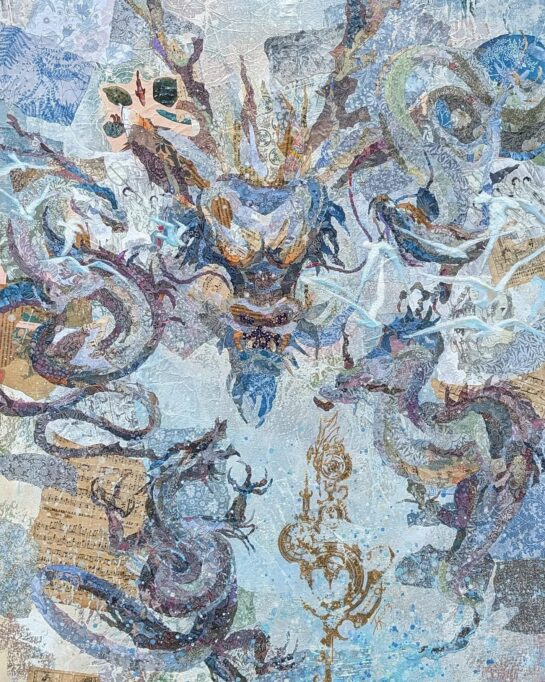
I have written the curatorial text for the new show “Descendants of the Dragons” by Singapore-based Kazakh artist Inessa Kalabekova at the Music Box Museum. The show opened on 1 December, and will run until 31 January 2024.
Please find the press release down below.
Read More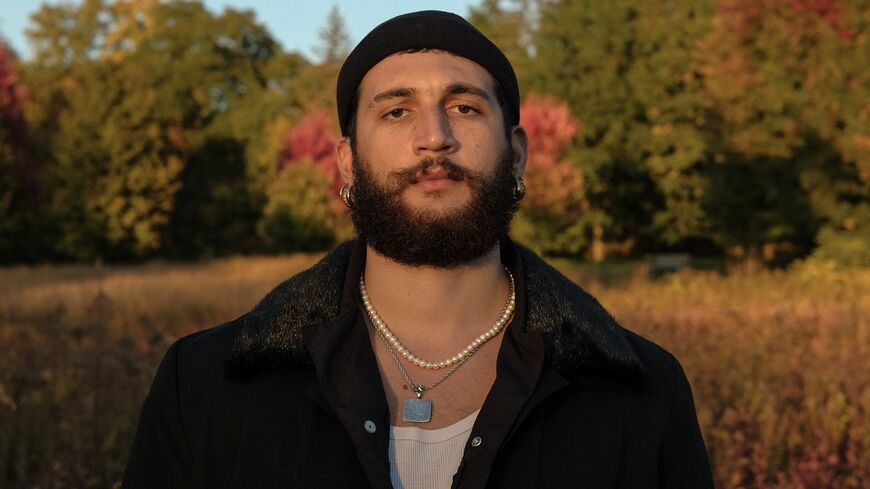
I have interviewed independent researcher, curator and artist Adam HajYahia for Al-Monitor.
Adam’s exploration of structural and hierarchical violence and its intersections with capitalist, colonial, sexual and social dynamics took material shape recently in an exhibition called “Carnal Politics: Sex, Desire and Anti-Colonial Deviance in Mandate Palestine.”
Here is the link to the article
Read More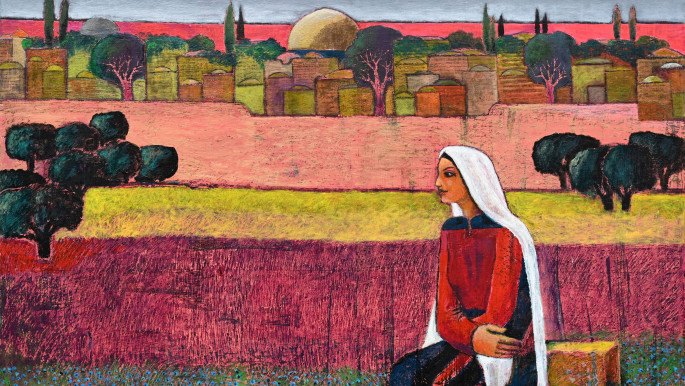
My latest piece about Nabil Anani’s new show, currently at Zawyeh Gallery, just came out for The New Arab.
Nabil is one of the founders of the contemporary Palestinian art movement. His works highlight Palestine’s folkloric culture and seek to foster national pride beyond Israel’s 75-year occupation.
Read More
Naima Morelli is an arts writer and journalist specialized in contemporary art from Asia-Pacific and the MENA region.
She has written for the Financial Times, Al-Jazeera, The Art Newspaper, ArtAsiaPacific, Internazionale and Il Manifesto, among others, and she is a regular contributor to Plural Art Mag, Middle East Monitor and Middle East Eye as well as writing curatorial texts for galleries.
She is the author of three books on Southeast Asian contemporary art.
Reach out: contact [at] naimamorelli.com


