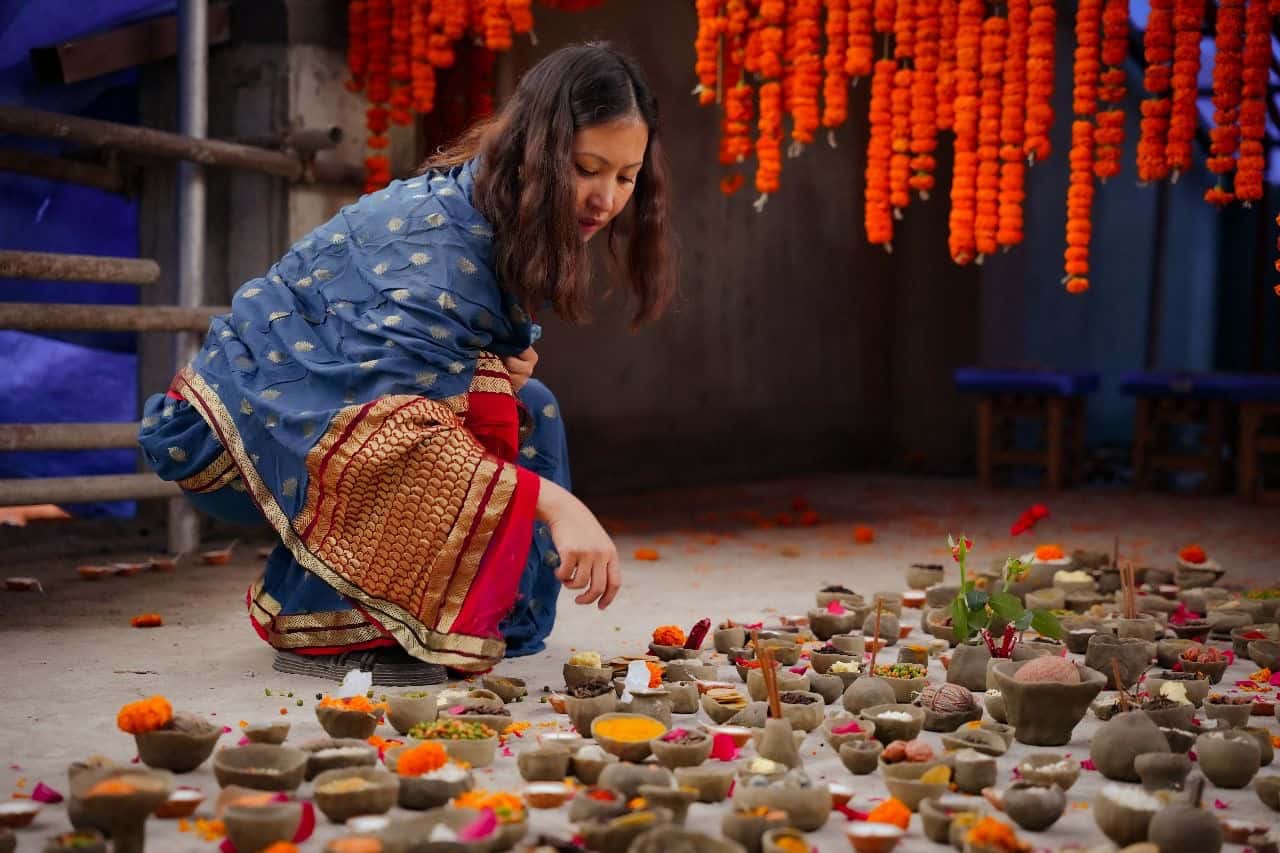
The 2025 Helsinki Biennial delivers in the sense that it unfolds in the moment and strives for harmony, but do we really want art to affect us so imperceptibly that it’s ultimately like nothing ever happened?
I wrote my review of the Biennial for the Observer.
To take a snapshot of the magmatic undercurrent in Istanbul’s art scene, I examined the city’s subterranean energies through a gallery show, an art fair, and a museum retrospective. The story is for The Markaz Review.
Beyond its commercial ambitions, the inaugural edition of VIMA art fair carved out space to consider Cyprus’ complex geopolitical position. I wrote a report on the fair for the Observer.
I wrote for Middle East Monitor an article about “Beyrouth Ya Beyrouth”, a comic book collection in the form of a newspaper created last year by the comic book festival “Rencontres du 9e Art, Festival BD d’Aix” at Aix-en-Provence in the South of France.
The collection sees a group of Lebanese artists sharing different sides of Beirut that are less known to the media. Rather than focusing on the crises and turmoil, they aim to capture the city’s everyday life, emotions and experiences through the medium of comics.
As I walked to the museum in the southern French city, some graffiti on a restaurant shutter caught my eye: “If a place attracts you, it’s because there is something waiting for you, and your story there has already been written.”
These words stuck with me as I turned the corner and the incredible MUCEM building stood before me, epic in shape and location, silhouetted against the cloudy sky, seemingly suspended on the sea.
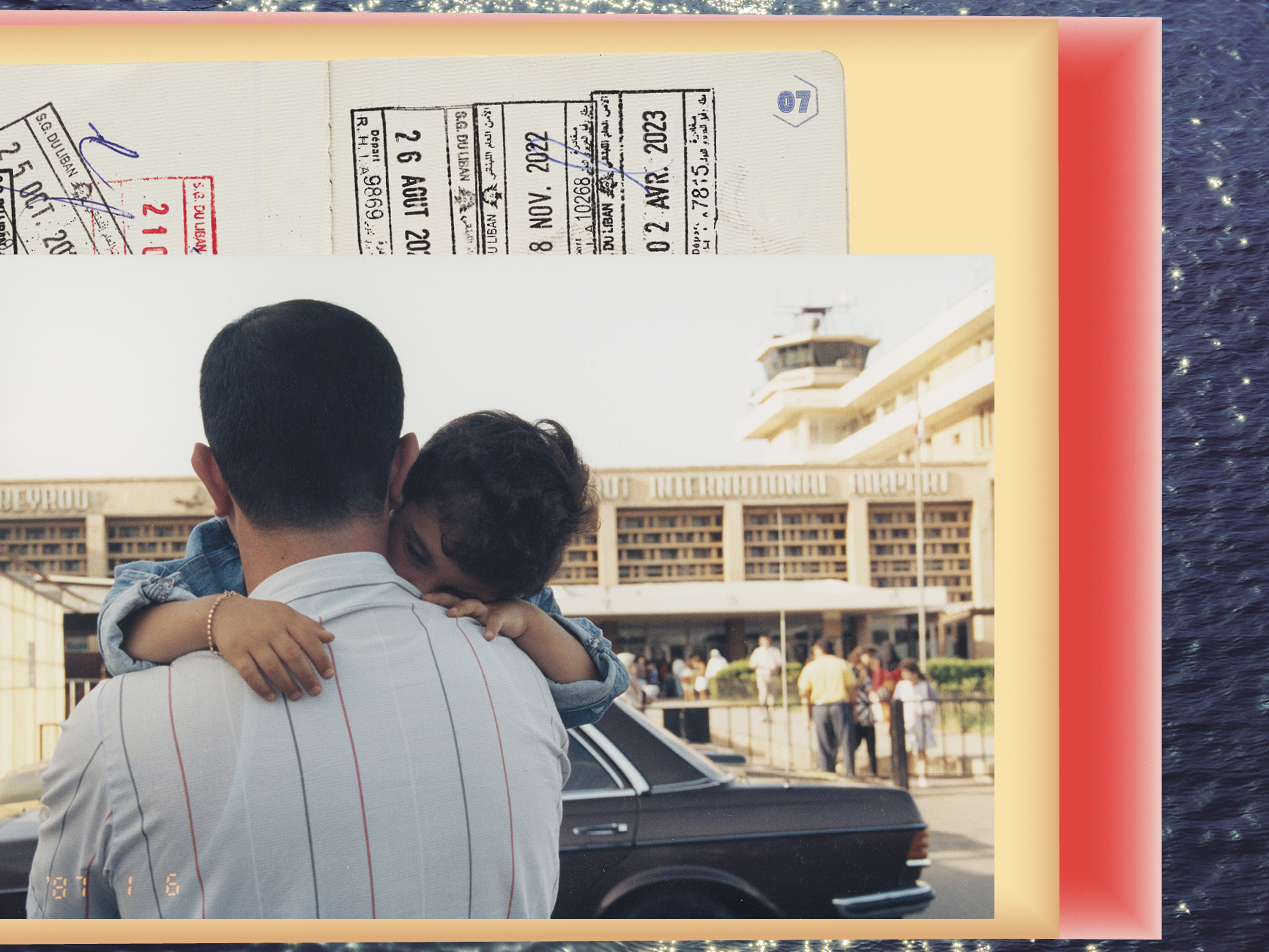
“Revenir” focuses on the idea of home, travel and returning. This is not only the scope of the show, but the wider project of the museum, which is dedicated to Mediterranean cultures, especially to that very specific blend for which this city port is renowned.
Running until 16 March at the Museum of European and Mediterranean Civilisations (MUCEM) in Marseille, the exhibition “Revenir” (“Return”) invites visitors to explore the experiences of returning to one’s homeland.
From art fairs to vibrant galleries, Marrakech is becoming a top spot for contemporary African art, bringing together local talent and global influences. I wrote this article on the local art scene for The New Arab.
Small but well-curated, the 1/54 art fair in Marrakech aims to be the gateway for African art, while fostering the local Moroccan art scene. I have reported on the event for Middle East Monitor.
There is no doubt that the Indonesian art market is one of the strongest in Southeast Asia. At art fairs all over Asia and Europe, we see an increasing number of big-name artists and collectors hailing from the art capitals of Jakarta, Yogyakarta, and Bandung. Private museums, galleries and studios are cropping up across the vast archipelago.
I have interviewed Indonesian art collectors Andonowati and Wiyu Wahono, as well as Tom Tandio, director of Art Jakarta, to take the pulse of the market for The Observer.
We really don’t want to hear yet another mouth uttering the old and weary truism: “In order to know where we are going, we need to know where we come from.”
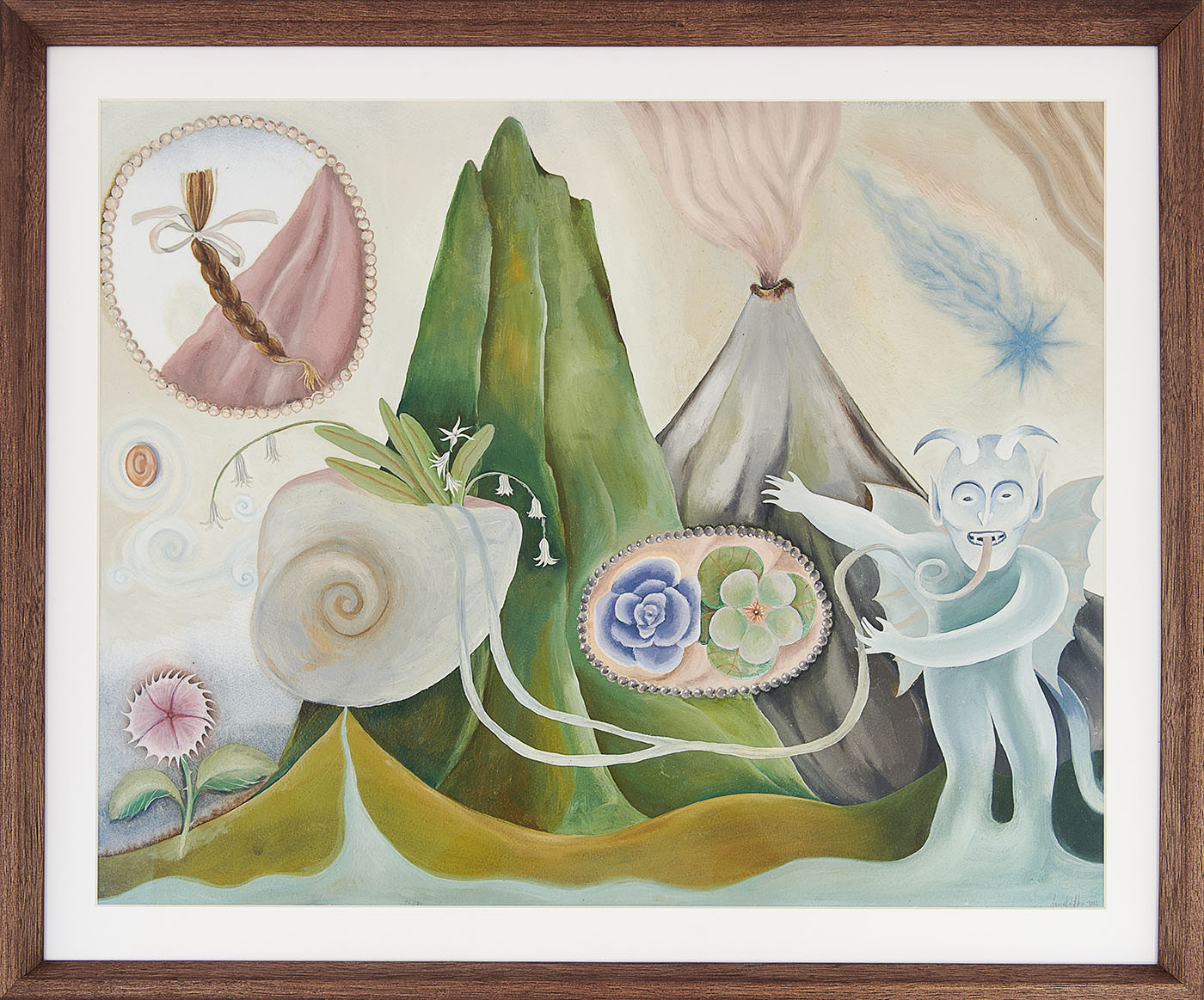
But can we even look at Massinissa Selmani’s videos, drawings, and photos in his exhibition 1000 VILLAGES—dedicated to the story of his own country Algeria and currently on exhibition at Index Foundation in Stockholm—without having this truism resounding in our ears like blaring evidence? We might as well cover our mouths.
I have spoken with the artist for FLAUNT Magazine.
There’s nothing quite like a biennale to help us take stock of the art world — not just artistic trends, but also the currents of thought flowing through culture at large. And 2024 has given us plenty of international biennales to do just that.
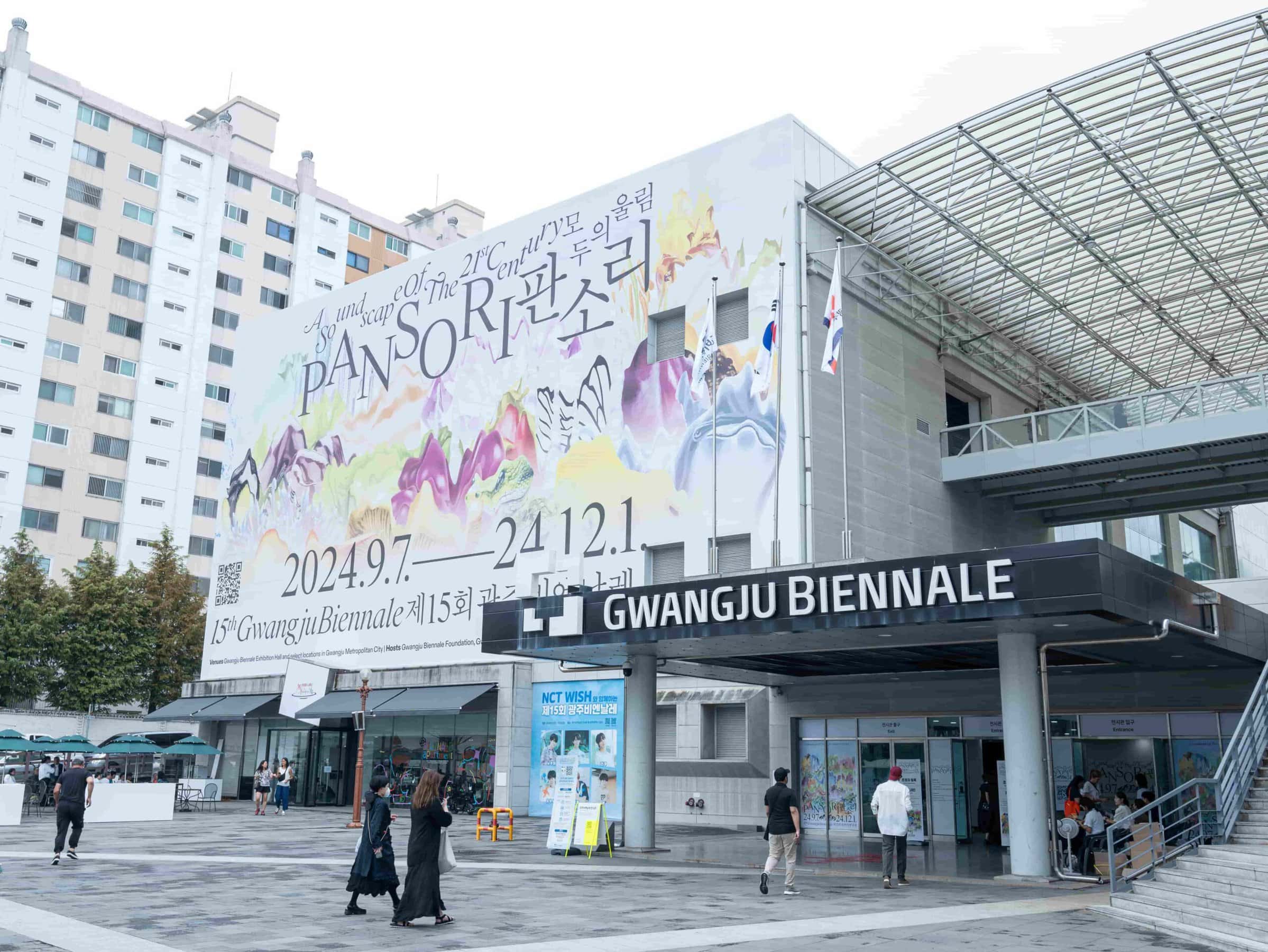
In the West, the Venice Biennale dominates the cultural conversation. But in Asia, two South Korean biennales serve as litmus tests for the state of contemporary Asian art.
The first takes place in the city of Gwangju and is considered — rather hyperbolically — the Venice Biennale of Asia. The second is the Busan Biennale (originally called the Busan Youth Biennale), which these days is open to both young and not-so-young artists.
For the historically underrepresented Central Asian art market, smaller fairs represent today an important alley, more than the big fairs such as Art Basel – which just had its second Paris iteration this October. “Boutique fairs,” as they are called, often present curated programming which allow a wide public – not just collectors and buyers – to enjoy the art as it was an exhibition. A selling one, of course.
In Paris, the most relevant fair which has historically presented Central Asian artists to the European public is called Asia Now, and it took place in Paris from October 17 to 20. Entirely dedicated to Asian art, the fair has historically tried to fill the gap for Central Asian art in the European market in the past ten years of its existence.
We’ve all heard the joke about art lovers who don’t necessarily celebrate Christmas and Easter, but they definitely celebrate Frieze and Art Basel. This ritualistic aspect of the art world hasn’t escaped Asia NOW, whose tenth anniversary show is aptly titled ‘Ceremony’.
Guided by the ethos of positioning itself not just as another art fair, but as a curated platform presenting Asia to a European audience, Asia NOW has chosen the artistic direction of Radicants, the curatorial cooperative founded by Nicolas Bourriaud, for its main exhibition.
I have written about it for The Art Newspaper France.
Naima Morelli is an arts writer and journalist specialized in contemporary art from Asia-Pacific and the MENA region.
She has written for the Financial Times, Al-Jazeera, The Art Newspaper, ArtAsiaPacific, Internazionale and Il Manifesto, among others, and she is a regular contributor to Plural Art Mag, Middle East Monitor and Middle East Eye as well as writing curatorial texts for galleries.
She is the author of three books on Southeast Asian contemporary art.




![1-54 Marrakech 2025. [Courtesy Mohamed Lakhdar]](https://i0.wp.com/www.middleeastmonitor.com/wp-content/uploads/2025/02/MLR57810.jpg?fit=1200%2C800&ssl=1)