Naima Morelli

Archive
Central Asia

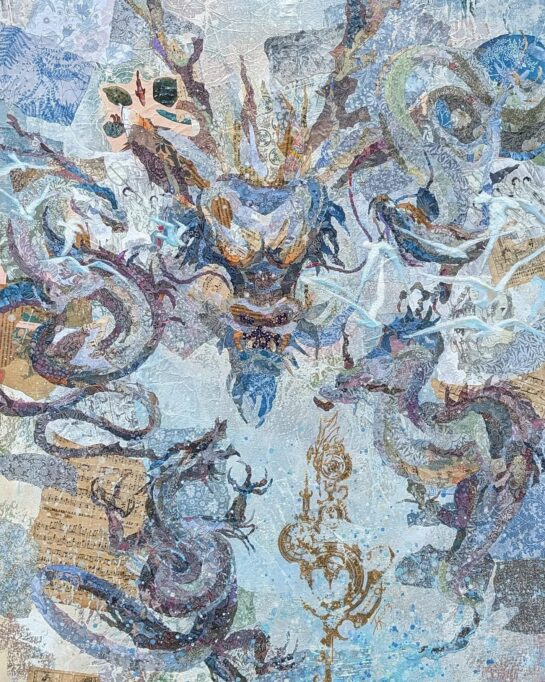
There, Where Wings Grow opens as a multifaceted meditation on the cycles of nature, and particularly on the steppe, explored by several Central Asian artists through ecological, historical, and mythic lenses. What emerges is not a nostalgic portrait of a nomadic past but a layered reflection on resilience and renewal.

At the center of the curatorial vision is Alan Medoev, the archaeologist whose 1960s expeditions uncovered hundreds of sites across the Kazakh steppe. His discoveries challenged Soviet portrayals of the region as an empty expanse and instead presented it as a cradle of memory. The exhibition extends that lineage, tracing how the steppe continues to act as an archive where cultural, personal, and ecological time intersect.

Here is the link to the article

Read More
An exterior view of the Almaty Museum of Arts shows its angular limestone facade with rust-colored accents against a blue sky.

Private collections and individual visionaries are driving Kazakhstan’s cultural renaissance in the absence of major state investment. I wrote the story for the Observer.

Here is the link to the article

Read More

My latest story for Times of Central Asia, is about the inauguration of the Almaty Museum of Arts, which represents a decisive step in shaping Kazakhstan’s art system.

As the country’s first large-scale contemporary art museum, it houses over 700 works collected across three decades, offering a panoramic view of modern Kazakh art while opening pathways to Central Asian and international dialogues.

Here is the link to the article

Read More

In the art world, fairs often have a meteoric rise and fall in an oversaturated market of competing events. But every so often, one lands with a quiet, deliberate weight, embedding itself in the soil of its context and revitalizing it. Vima in Limassol, Cyprus, is one such project.

Unfolding in a transformed wine warehouse near the sea, VIMA resisted the sterile polish of typical fair venues. Here, the Mediterranean wind mingled with the hum of languages, from Russian to Arabic, Greek, and Turkish, to English.

The fair was founded by three Russians who have established themselves in Cyprus – Edgar Gadzhiev, Lara Kotreleva, and Nadezhda Zinovskaya – all of whom have brought a deep well of curatorial and institutional experience from Central Asia, Eurasia, and beyond.

I have interviewed the three founders for Times of Central Asia.

Here is the link to the article

Read More
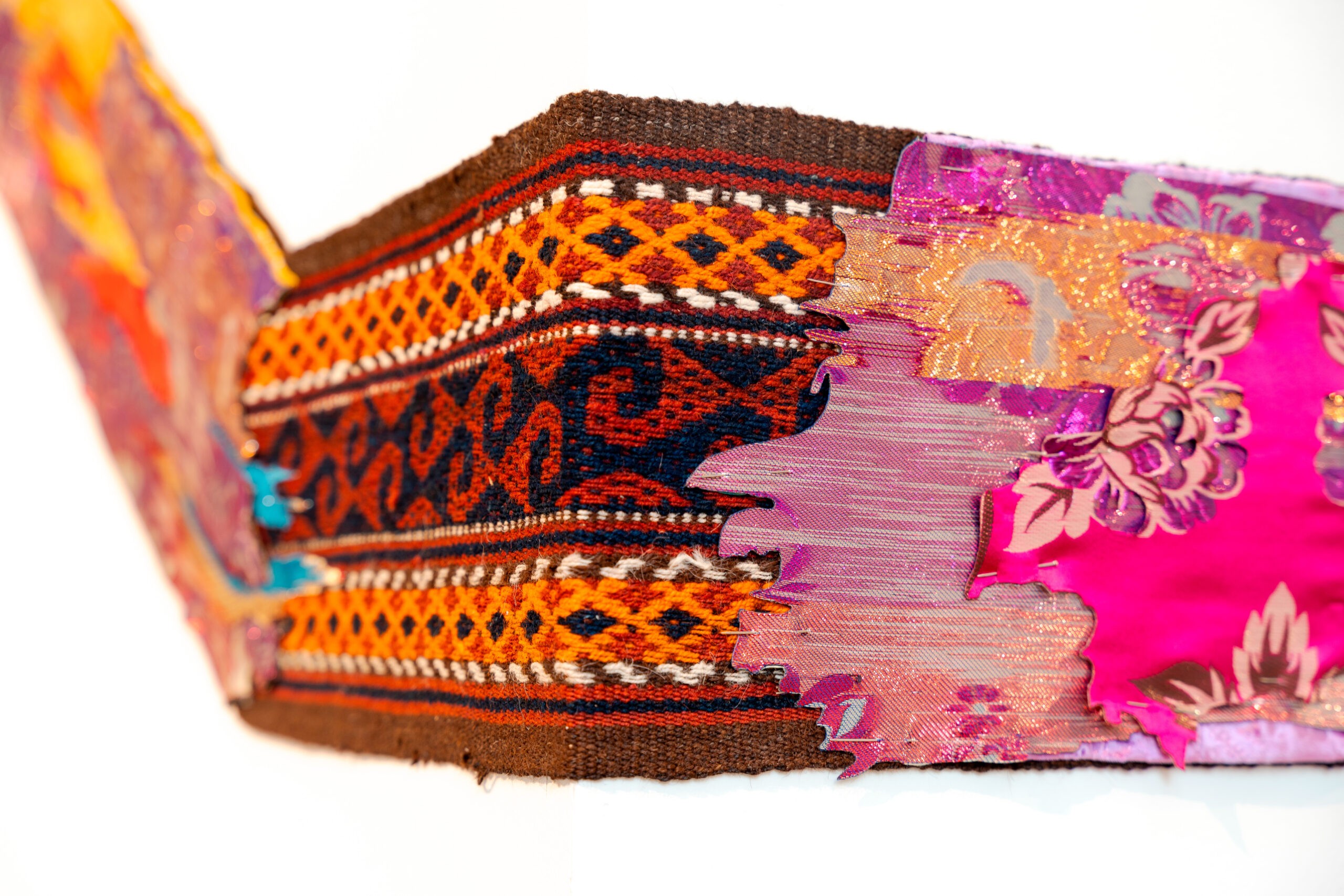
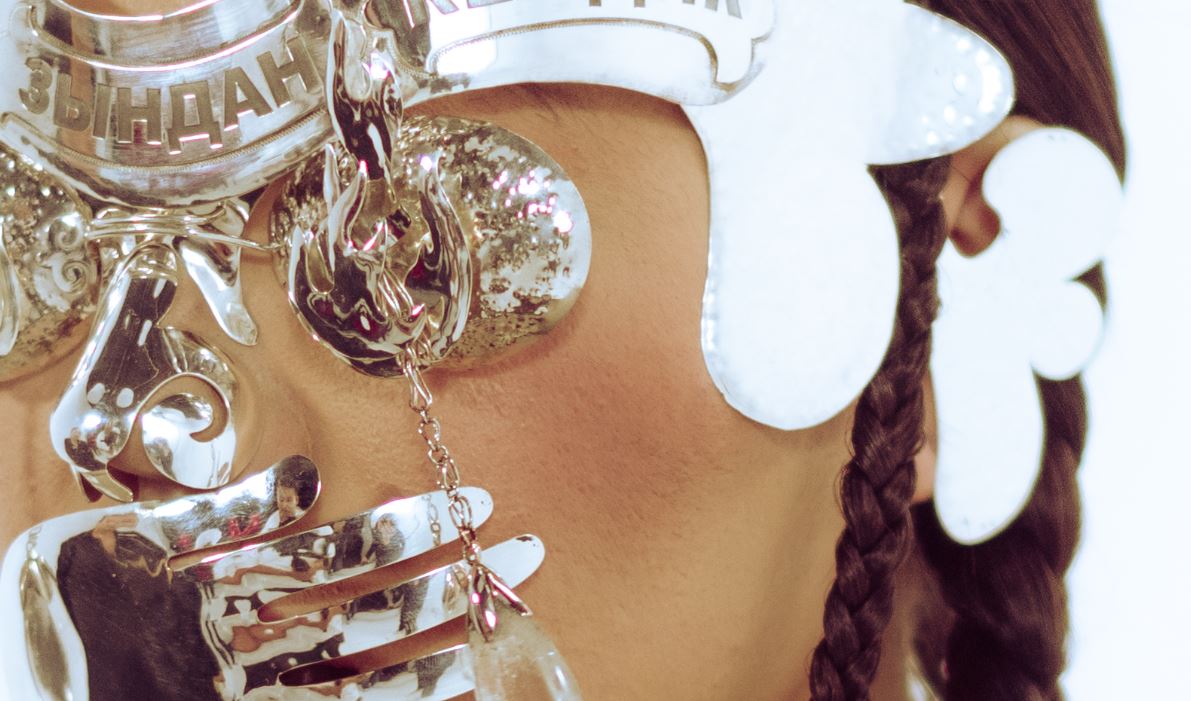
A pale Milanese dawn draped the city in shifting greys, as visitors crossed the threshold into the space of Fondazione Elpis, a foundation created to promote dialogue with emerging geographies and young artists.

This time, it was Central Asian artists who were in the spotlight, claiming a shared history fractured by Soviet rule and global currents. The show YOU ARE HERE: Central Asia redraws a regional map, allowing artists to reimagine the borders of their belonging beyond nation-states. At the same time, it invites each visitor to relate to the works by locating its place within these stitched, erased, and reconfigured narratives.

I have interviewed curator Dilda Ramazan for Times of Central Asia.

Here is the link to the article

Read More

In the heart of Tribeca in New York, the Sapar Contemporary Art Gallery has launched a new exhibition, Beneath the Earth and Above the Clouds, which brings Central Asian narratives to the forefront.

This dual show – which runs until May 15, 2025 – features Altynai Osmo and Aya Shalkar, two artists who have been devoted to exploring female narratives in the region, and do this through works that are both steeped into tradition, and modern and vibrant at the same time.

I spoke with Altynai Osmo, a multimedia artist from Kyrgyzstan whose work weaves the threads of nomadic heritage with contemporary expression, for The Times of Central Asia.

Here is the link to the interview

Read More

In his new show, More than Dreams, Less than Things, at NIKA Projects in Paris, Ugay looks at the origins of image-making both literally and philosophically. Inspired by Ibn al-Haytham’s Book of Optics, the artist reanimates the ancient camera obscura, letting light seep through the book’s pages to birth abstract images: faded records of a presence.

The exhibition, which opened on March 16, explores the tension between technological progress and the way this can be disrupted by the power of imagination and poetry – eminently human things – by looking at the intersection of photography, technology, and diasporic memory.

I wrote this piece for Times of Central Asia

Here is the link to the article

Read More

Is it possible to preserve architectural heritage while working towards sustainability? And what to make of the architectural relics of the past century? Can they somehow take on new meaning rather than remaining a representation of dystopias and utopias of the past?

All these questions and more are addressed by the Uzbekistan Pavilion at the 2025 Venice Architecture Biennale. Running alternate years with the Art Biennale, this is undoubtedly one of the most important architectural events in the international arena.

I have interviewed Ekaterina Golovatyuk of Studio GRACE, the architectural film that curated the Uzebek Pavillion. The piece is for Times of Central Asia.

Here is the link to the interview

Read More

Sara Raza is a litmus test for the spirit of the times in the shape of an art curator.  In simple terms, art crowds can count on her direction for the Tashkent Centre for Contemporary Art (CCA) to bring the most pressing issues in contemporary art to the foreground.

Indeed, the author of the book Punk Orientalism – and the namesake curatorial studio – has been just appointed as Artistic Director and Chief Curatorial Director of the CCA Tashkent, set to open in September 2025.

It’s a strategic move for the Centre, which has aspirations of becoming a global arts and culture hub and is aiming at international artistic and creative exchanges, which include residencies, exhibitions, workshops, and educational programmes, and contributing to Uzbekistan’s cultural ecosystem.

Here is the link to the interview

Read More

The mythological figure of the Simurgh is the focus of Slavs and Tatars’ latest show at the gallery The Third Line in Dubai called “Simurgh Self-Help”.

The show speaks of the importance of reclaiming and reframing cultural memories in a fractured world, and an invitation to think beyond the artificial, top-down confines of nationalism, to find cultural unity.

I have interview Payam, one half of Slav and Tatars, for The Times of Central Asia.

Here is the link to te piece

Read More

For the historically underrepresented Central Asian art market, smaller fairs represent today an important alley, more than the big fairs such as Art Basel – which just had its second Paris iteration this October. “Boutique fairs,” as they are called, often present curated programming which allow a wide public – not just collectors and buyers – to enjoy the art as it was an exhibition. A selling one, of course.

In Paris, the most relevant fair which has historically presented Central Asian artists to the European public is called Asia Now, and it took place in Paris from October 17 to 20. Entirely dedicated to Asian art, the fair has historically tried to fill the gap for Central Asian art in the European market in the past ten years of its existence.

I wrote the piece for Times of Central Asia.

Here is the link to the article

Read More

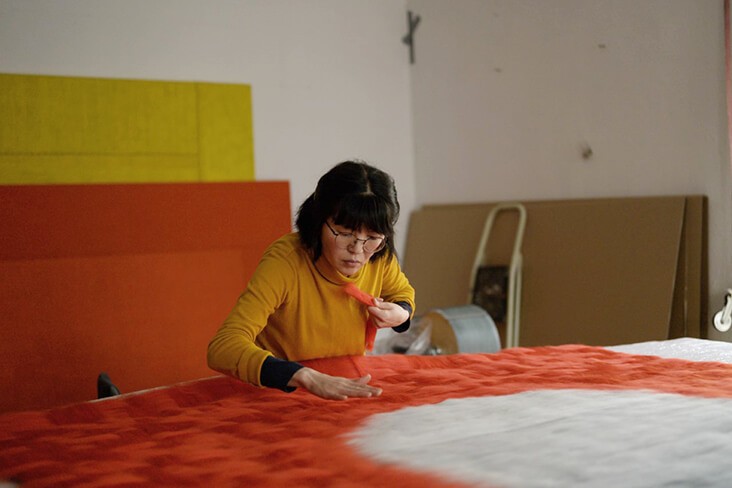
Born in Semipalatinsk, Kazakhstan, shortly before the end of the USSR, artist Gulnur Mukazhanovahas been working with textiles since beginning her practice, and influenced by Kazakh traditions, employs felt as a primary material.

Spiritual and emotional, her abstractions are informed by issues concerning identity and the transformation of traditional values of her  native culture in the age of globalization.

I have interviewed the artist for The Times of Central Asia

Here is the link to the interview

Read More