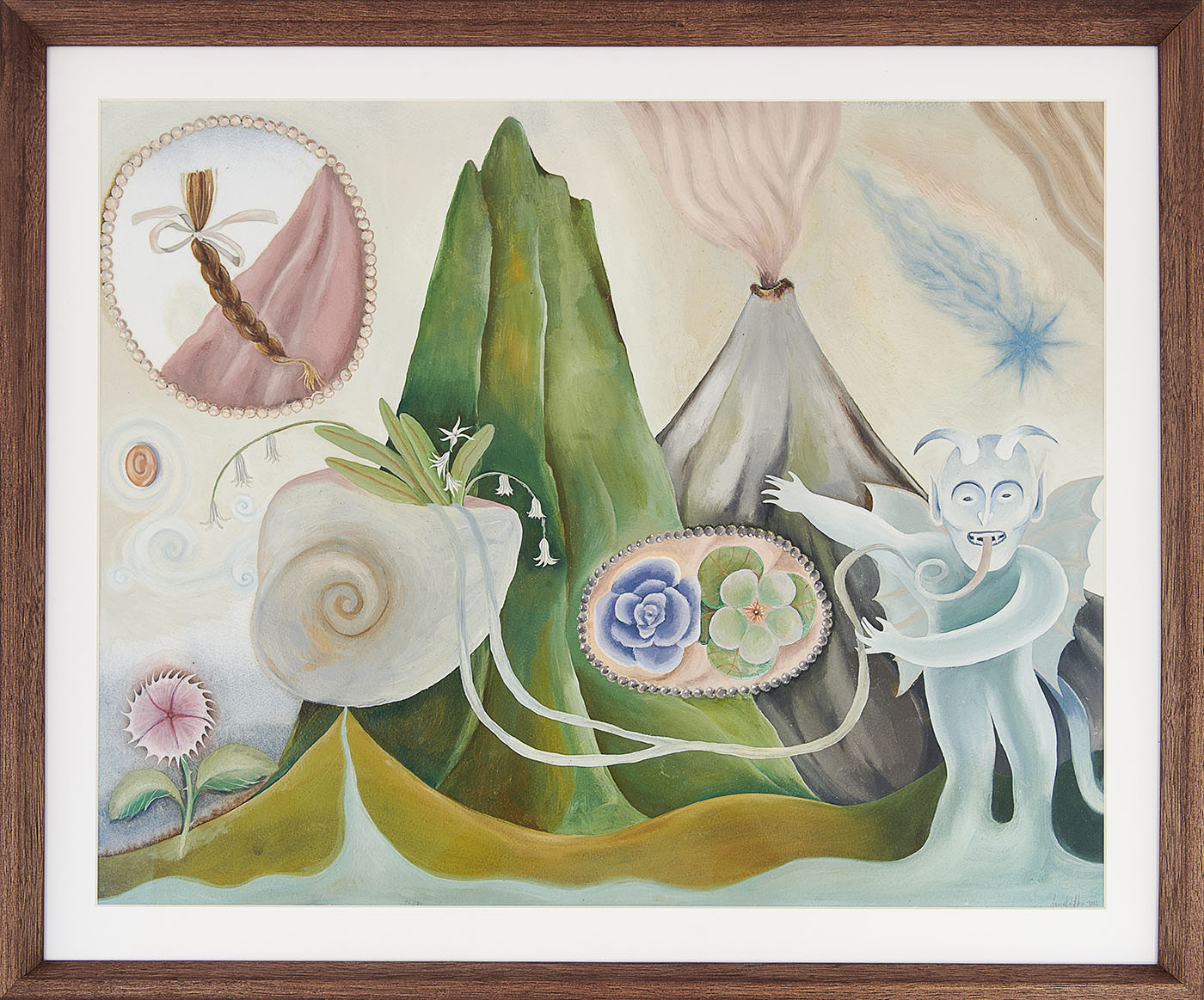
To take a snapshot of the magmatic undercurrent in Istanbul’s art scene, I examined the city’s subterranean energies through a gallery show, an art fair, and a museum retrospective. The story is for The Markaz Review.
In the art world, fairs often have a meteoric rise and fall in an oversaturated market of competing events. But every so often, one lands with a quiet, deliberate weight, embedding itself in the soil of its context and revitalizing it. Vima in Limassol, Cyprus, is one such project.
Unfolding in a transformed wine warehouse near the sea, VIMA resisted the sterile polish of typical fair venues. Here, the Mediterranean wind mingled with the hum of languages, from Russian to Arabic, Greek, and Turkish, to English.
The fair was founded by three Russians who have established themselves in Cyprus – Edgar Gadzhiev, Lara Kotreleva, and Nadezhda Zinovskaya – all of whom have brought a deep well of curatorial and institutional experience from Central Asia, Eurasia, and beyond.
I have interviewed the three founders for Times of Central Asia.
Beyond its commercial ambitions, the inaugural edition of VIMA art fair carved out space to consider Cyprus’ complex geopolitical position. I wrote a report on the fair for the Observer.
A pale Milanese dawn draped the city in shifting greys, as visitors crossed the threshold into the space of Fondazione Elpis, a foundation created to promote dialogue with emerging geographies and young artists.
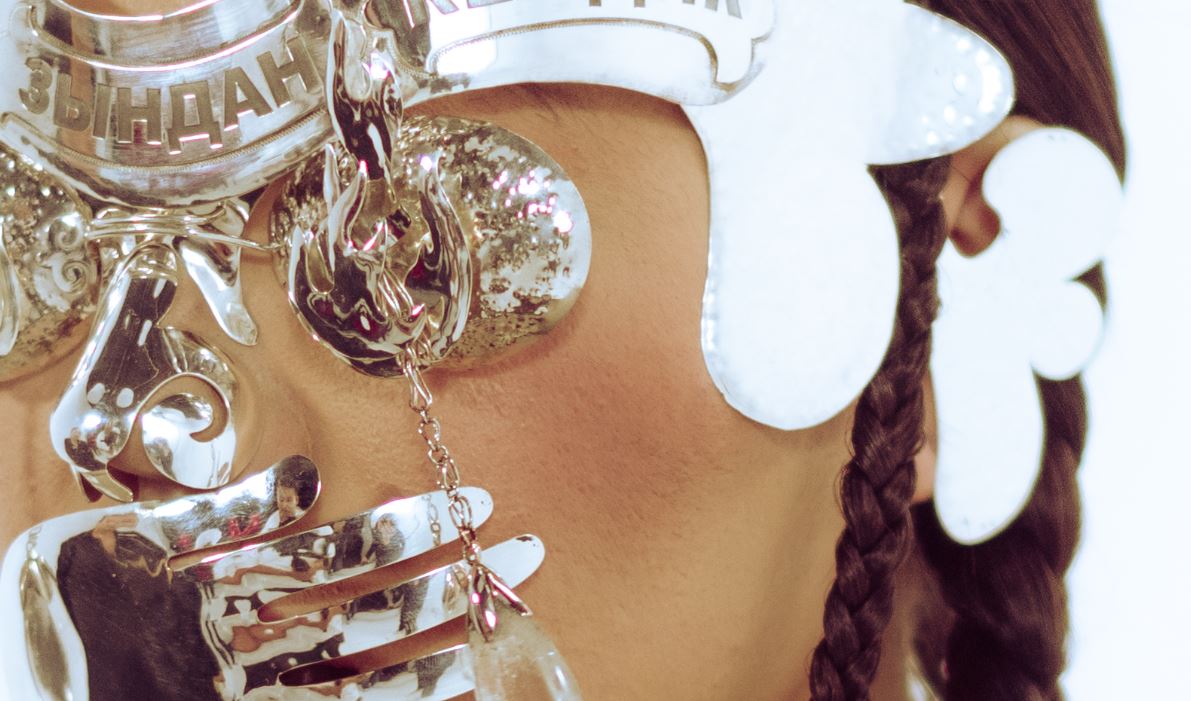
This time, it was Central Asian artists who were in the spotlight, claiming a shared history fractured by Soviet rule and global currents. The show YOU ARE HERE: Central Asia redraws a regional map, allowing artists to reimagine the borders of their belonging beyond nation-states. At the same time, it invites each visitor to relate to the works by locating its place within these stitched, erased, and reconfigured narratives.
I have interviewed curator Dilda Ramazan for Times of Central Asia.
Very proud to have my first review in Artforum. This is a review of the installation Artificial Green by Nature Green 4.0 at the 2024 Bangkok Art Biennale by artists Bagus Pandega and Kei Imazu’s.
The work cyclically generated and erased images of a lush Indonesian rainforest, like Penelope repeatedly weaving and unraveling her shroud.
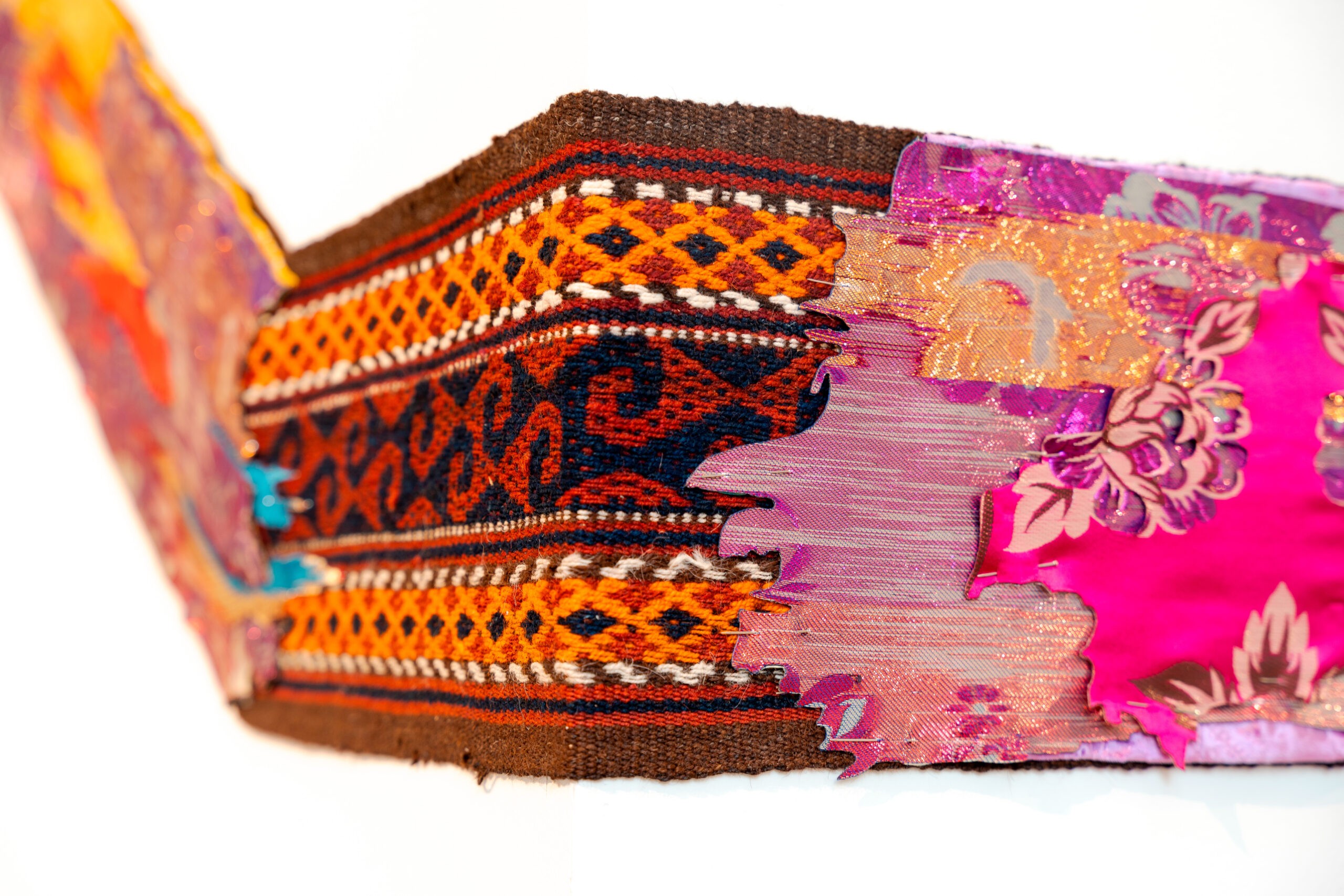
In the heart of Tribeca in New York, the Sapar Contemporary Art Gallery has launched a new exhibition, Beneath the Earth and Above the Clouds, which brings Central Asian narratives to the forefront.
This dual show – which runs until May 15, 2025 – features Altynai Osmo and Aya Shalkar, two artists who have been devoted to exploring female narratives in the region, and do this through works that are both steeped into tradition, and modern and vibrant at the same time.
I spoke with Altynai Osmo, a multimedia artist from Kyrgyzstan whose work weaves the threads of nomadic heritage with contemporary expression, for The Times of Central Asia.
The Arab World Institute’s exhibition on Gaza’s archaeological treasures offers European visitors a vital glimpse into the history of the Palestinian enclave.
In his new show, More than Dreams, Less than Things, at NIKA Projects in Paris, Ugay looks at the origins of image-making both literally and philosophically. Inspired by Ibn al-Haytham’s Book of Optics, the artist reanimates the ancient camera obscura, letting light seep through the book’s pages to birth abstract images: faded records of a presence.
The exhibition, which opened on March 16, explores the tension between technological progress and the way this can be disrupted by the power of imagination and poetry – eminently human things – by looking at the intersection of photography, technology, and diasporic memory.
I wrote for Middle East Monitor an article about “Beyrouth Ya Beyrouth”, a comic book collection in the form of a newspaper created last year by the comic book festival “Rencontres du 9e Art, Festival BD d’Aix” at Aix-en-Provence in the South of France.
The collection sees a group of Lebanese artists sharing different sides of Beirut that are less known to the media. Rather than focusing on the crises and turmoil, they aim to capture the city’s everyday life, emotions and experiences through the medium of comics.
Is it possible to preserve architectural heritage while working towards sustainability? And what to make of the architectural relics of the past century? Can they somehow take on new meaning rather than remaining a representation of dystopias and utopias of the past?
All these questions and more are addressed by the Uzbekistan Pavilion at the 2025 Venice Architecture Biennale. Running alternate years with the Art Biennale, this is undoubtedly one of the most important architectural events in the international arena.
I have interviewed Ekaterina Golovatyuk of Studio GRACE, the architectural film that curated the Uzebek Pavillion. The piece is for Times of Central Asia.
As I walked to the museum in the southern French city, some graffiti on a restaurant shutter caught my eye: “If a place attracts you, it’s because there is something waiting for you, and your story there has already been written.”
These words stuck with me as I turned the corner and the incredible MUCEM building stood before me, epic in shape and location, silhouetted against the cloudy sky, seemingly suspended on the sea.
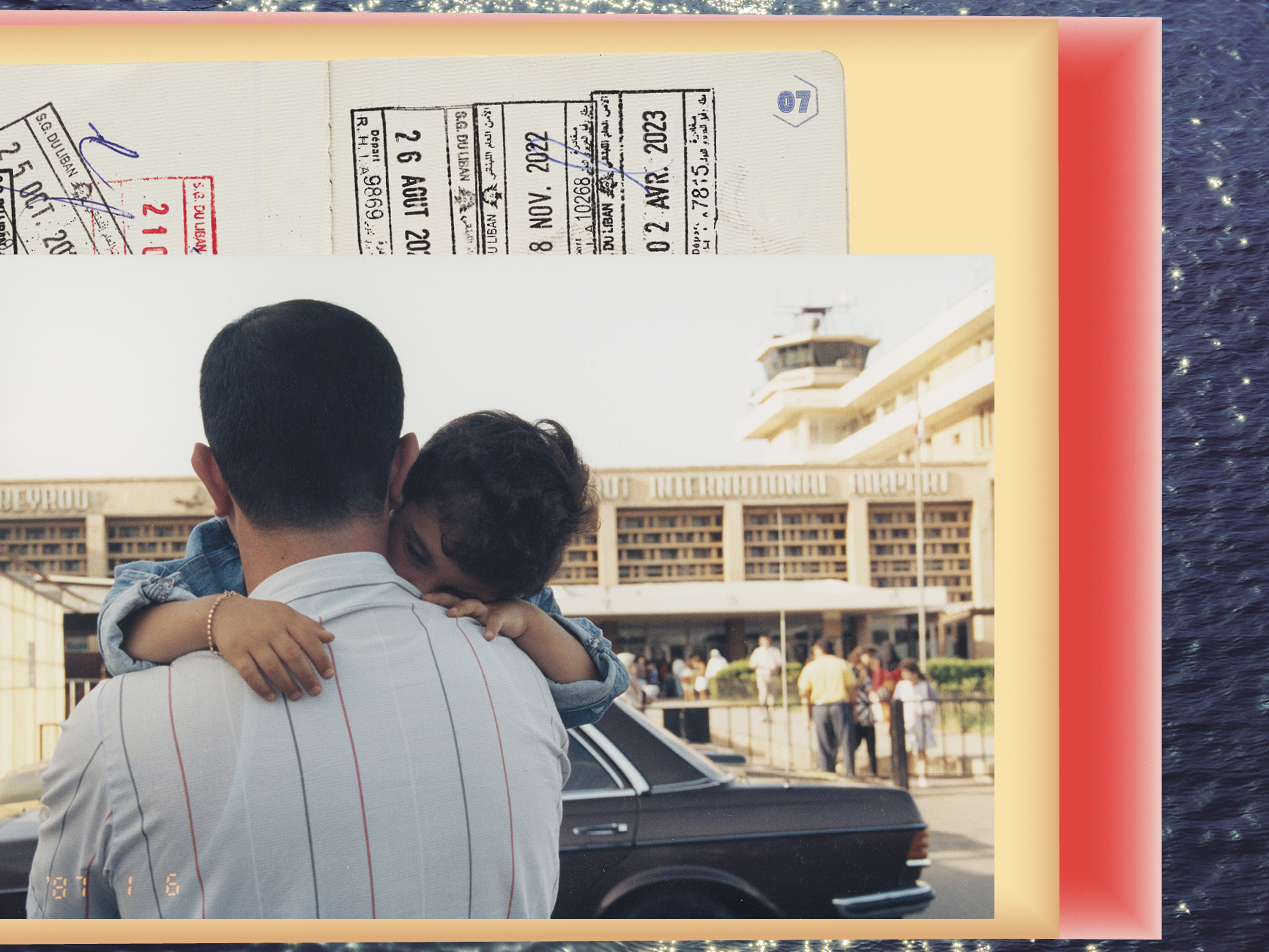
“Revenir” focuses on the idea of home, travel and returning. This is not only the scope of the show, but the wider project of the museum, which is dedicated to Mediterranean cultures, especially to that very specific blend for which this city port is renowned.
Running until 16 March at the Museum of European and Mediterranean Civilisations (MUCEM) in Marseille, the exhibition “Revenir” (“Return”) invites visitors to explore the experiences of returning to one’s homeland.
Sara Raza is a litmus test for the spirit of the times in the shape of an art curator. In simple terms, art crowds can count on her direction for the Tashkent Centre for Contemporary Art (CCA) to bring the most pressing issues in contemporary art to the foreground.
Indeed, the author of the book Punk Orientalism – and the namesake curatorial studio – has been just appointed as Artistic Director and Chief Curatorial Director of the CCA Tashkent, set to open in September 2025.
It’s a strategic move for the Centre, which has aspirations of becoming a global arts and culture hub and is aiming at international artistic and creative exchanges, which include residencies, exhibitions, workshops, and educational programmes, and contributing to Uzbekistan’s cultural ecosystem.
Naima Morelli is an arts writer and journalist specialized in contemporary art from Asia-Pacific and the MENA region.
She has written for the Financial Times, Al-Jazeera, The Art Newspaper, ArtAsiaPacific, Internazionale and Il Manifesto, among others, and she is a regular contributor to Plural Art Mag, Middle East Monitor and Middle East Eye as well as writing curatorial texts for galleries.
She is the author of three books on Southeast Asian contemporary art.